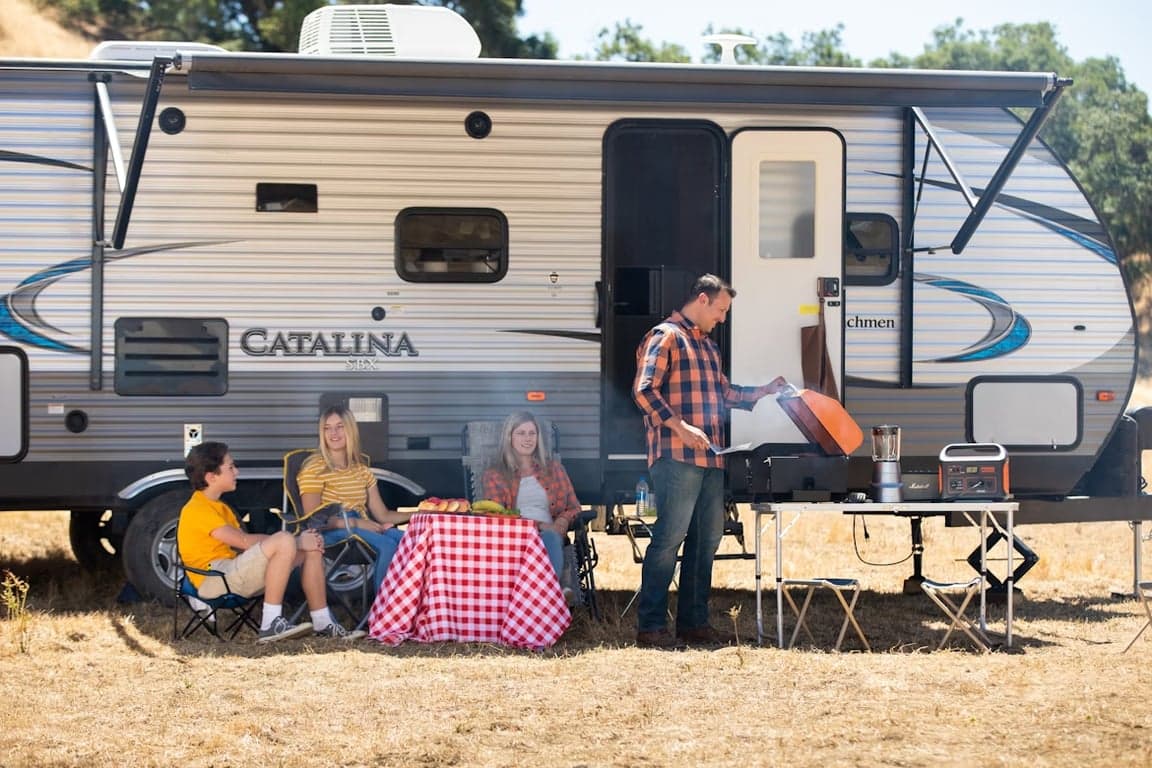
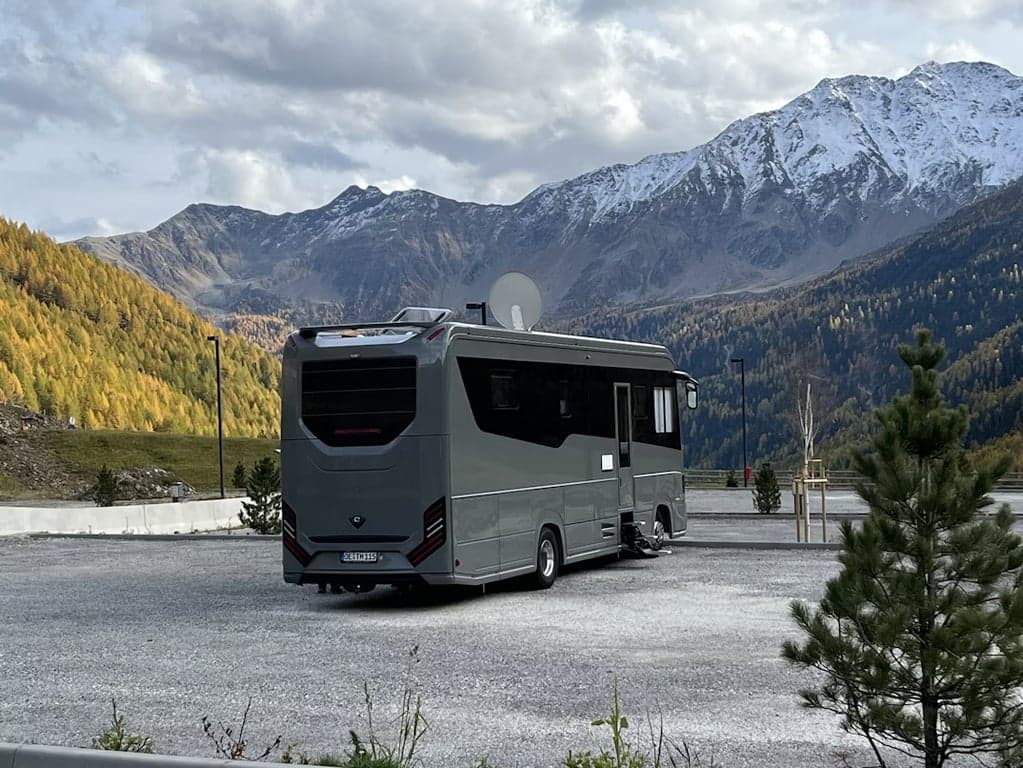
You’ve done it. You bought the rig. Maybe it’s a monster Class A diesel pusher that’s nicer than most apartments, a nimble Class B van for vanlife stealth, or a classic fifth-wheel you tow with your F-250. You’ve tasted the freedom—the smell of a campfire, waking up to a new backyard every week, and the unshakeable thrill of the open road.
That feeling is priceless. Your RV, however, is not.
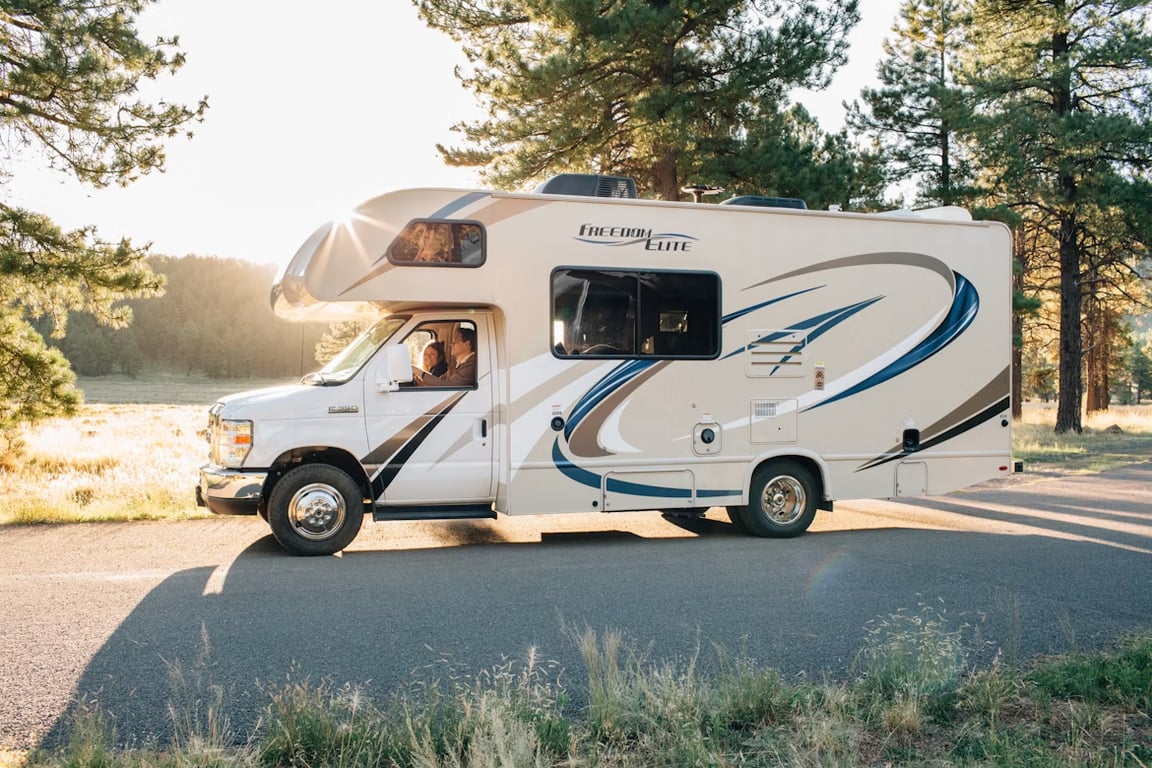 Here at Yeah! Motor, we’re obsessed with the machines that move us, and an RV is one of the most incredible machines of all. It’s a truck, a house, and a dream all rolled into one. But here’s the hard truth from one motor lover to another: your standard auto insurance policy is not enough to protect it. Not even close.
A surprising number of new RV owners make this mistake. They assume the policy on their tow vehicle covers their new travel trailer, or that their motorhome is just a "big van." This is a financially devastating assumption.
An RV isn’t just a vehicle. It’s a rolling, complex machine with plumbing, electrical systems, expensive appliances, and all your personal belongings. When you’re parked at a campsite, it’s your home. It faces risks from the road (like a collision) and risks from "home" (like a fire in the galley or someone tripping on your awning).
You need a specialized, hybrid policy that understands this dual nature. You need true RV insurance. Let's get under the hood and figure out exactly what that means, how much it costs, and how to get the right coverage for your adventure.
Cracking the Code: What RV Insurance Actually Covers
Think of RV insurance as a "greatest hits" album, pulling tracks from both auto and home insurance. When you build your policy, you’re picking and choosing the coverage you need. Here’s a breakdown of the essentials.
The "Must-Haves" (Vehicle Coverage):
Liability Coverage (Bodily Injury & Property Damage): This is the non-negotiable part. If you’re driving a motorhome (Class A, B, or C), nearly every state requires this by law, just like a car. It covers damage you cause to other people or their property in an at-fault accident.
Collision Coverage: This pays to repair or replace your RV if you get into an accident with another vehicle or object (like a guardrail, tree, or that sneaky campsite post). If you have a loan on your RV, your lender will 100% require this.
Comprehensive Coverage: This is the "life happens" coverage. It pays for non-collision damage. Think: theft, vandalism, fire, a hailstorm that batters your roof, a tree branch falling on your rig, or hitting a deer. Your lender will require this, too.
Uninsured/Underinsured Motorist: What happens when someone else hits you, and they either have no insurance or a cheap, terrible policy? This coverage steps in to pay for your RV repairs and medical bills, so you’re not left holding the bag.
The "Good-to-Haves" (The RV-Specific Stuff):
Personal Effects Replacement (PER): Look around your RV. That flat-screen TV, those laptops, your clothes, the expensive grilling gear, your bedding... your auto policy won't touch it. This coverage specifically replaces your personal belongings inside the rig if they're stolen or destroyed in a covered incident.
Vacation Liability / Campsite Liability: This is critical. Once you’re parked, unhooked, and your awning is out, your auto liability stops. This coverage protects you if someone gets hurt at your campsite—maybe they trip over your rug or get burned at your campfire. It acts like the liability on a homeowner's policy.
Emergency Expense Coverage: Your rig breaks down 500 miles from home. Now what? This coverage helps pay for "trip interruption" costs like a hotel, meals, and a rental car while your RV is in the shop.
Specialized Roadside Assistance: Your standard AAA won't cut it for a 40,000-pound motorhome. You need RV-specific roadside assistance that can tow a heavy-duty rig or a fifth-wheel without causing more damage.
The Big Question: Are You a "Part-Timer" or a "Full-Timer"?
When you get a quote, this will be one of the first questions. Your answer changes everything.
In the eyes of an insurance company, the line is drawn at around 150 days a year. If you use your RV for less than that, you’re a recreational user. If you live in it for more (or it’s your legal primary residence), you are a Full-Timer.
Recreational / Part-Timer Policy: This is for the weekend warrior and the summer road-tripper. It’s robust, but it assumes you have a primary "sticks-and-bricks" home with its own homeowner's or renter's insurance.
Full-Timer Policy: This is a completely different beast. It's a true hybrid policy that’s much closer to homeowner's insurance. It includes significantly higher limits for personal liability (since you don't have a home policy as a backup), more extensive personal effects coverage, and often covers things like "loss assessment" if you’re parked in an RV park that has a homeowners-style association.
Be honest about your usage. If you have a part-timer policy but are secretly living in your rig full-time, your insurer could deny a major claim, leaving you with nothing.
Let's Talk Money: What Does RV Insurance Cost?
Alright, let's get to the bottom line. The price of RV insurance is all over the map, just like the rigs themselves. The premium depends on a ton of factors:
Your Rig: A new $400,000 Class A motorhome will cost vastly more to insure than a $20,000 used travel trailer.
Your Usage: As we just covered, full-time policies are more expensive than recreational ones.
Your Driving Record: Just like with your car, a clean record saves you money.
Your Location: Storing your RV in a high-crime urban area will cost more than a secure, rural storage facility.
Your Coverage: How much liability do you want? What’s your deductible?
That said, we can look at some solid averages. According to 2025 data published by major insurers like Progressive, the national average for a 12-month policy breaks down like this:
Travel Trailers (Towable): An average annual policy with liability, comprehensive, and collision coverage costs around $600 per year.
Motorhomes (Drivable): The same coverage for a motorhome averages a little over $1,000 per year.
Keep in mind, these are averages for recreational use. If you just need minimum liability on a motorhome, you might find a policy for as low as $125 a year.
For full-timers, the cost jumps significantly. Expect to pay anywhere from $1,500 to $4,000+ per year for a comprehensive full-timer policy that properly protects you and your belongings.
Motorhome vs. Trailer: The Legal Mismatch
This is one of the most confusing parts of RV insurance, so pay attention.
For Motorhomes (Class A, B, C): This is simple. It's a motorized vehicle. You must carry, at minimum, your state’s required liability insurance to legally drive it on the road. No exceptions.
For Travel Trailers (Fifth-Wheels, Pop-ups, etc.): This is where people get into trouble. Because the trailer is towed, most states do not legally require a separate insurance policy for it. Your tow vehicle's liability insurance extends to the trailer while it is hitched up.
Let me say that again: It only covers the liability (damage you cause) while you are towing.
If you back your trailer into another car at a gas station, your truck's liability will cover the car you hit.
If your trailer fishtails and causes an accident, your truck's liability will cover the damages you cause.
What it DOES NOT cover:
Damage to your own trailer in that accident.
Your trailer being stolen from the campsite.
A fire that starts inside your trailer while it's parked.
A tree falling on your trailer during a storm.
If your trailer is worth more than you're willing to light on fire in a parking lot, you need to add comprehensive and collision coverage specifically for the trailer. If you have a loan on it, your bank will force you to.
Yeah! Motor Pro Tips: How to Save Cash on Your RV Policy
We love horsepower, but we also love saving money that we can spend on fuel and upgrades. You don't have to overpay for good insurance.
Bundle, Bundle, Bundle: This is the easiest win. Get your RV, auto, and home/renters policies from the same company. The multi-policy discount is almost always significant.
Use a "Storage" Policy: This is a huge one. If you park your rig for the winter, why pay for collision and liability coverage? A "lay-up" or "storage" policy lets you suspend the on-road coverage (like collision) during your off-season but keeps the comprehensive coverage active to protect against theft, fire, or weather damage. This can save you a bundle.
Raise Your Deductible: Just like with car insurance, a higher deductible (the amount you pay out-of-pocket for a claim) will lower your monthly premium. Just make sure you can afford to pay that $1,000 or $2,500 if something happens.
Ask About Discounts: Insurance companies have discounts for everything. Are you the original owner? Did you take an RV-specific safe driving course? Did you install an anti-theft device? Are you a member of an RV club? Ask your agent to list every single discount you might qualify for.
Shop Around: Don't just take the first quote you get. Get at least three from different providers. Some companies specialize in RV insurance (like Good Sam or Roamly) while others (like Progressive or Allstate) are major players. Their rates for the exact same rig can vary by hundreds of dollars.
The Bottom Line: Don't Risk the Dream
Your RV is more than just an engine and some wheels. It’s your basecamp, your escape pod, your home on the road. Over 11% of all US households now own one, joining a community of over 40 million Americans who regularly go RVing.
Protecting that lifestyle with the right insurance isn't just a legal requirement; it's common sense. The difference between a minor setback and a trip-ending catastrophe is having a policy that truly understands what it's protecting.
So, before you hit the road for your next great adventure, do a quick insurance check-up. Make that call, ask the tough questions, and make sure your policy is as ready for the road as you are.
The mountains are calling. Go answer them with peace of mind.