You feel that? It’s the rumble of a massive V8, or maybe the earth-shaking torque of a big diesel pusher, sending power to pavement. It’s the smell of the open road, the promise of a new horizon, and the unmatched freedom of piloting your very own land yacht. This isn't just a vehicle; it's a lifestyle. It’s a Class A, B, or C testament to pure automotive awesomeness, a machine that’s both your ride and your home.
 But here’s the buzzkill that’ll stop a gearhead dead in their tracks: that $300,000, 40-foot machine is a massive investment, and it carries massive risk. We’re talking about a 30,000-pound rolling chassis with a kitchen, a bathroom, and all your worldly possessions inside.
So you think, "I'll just add it to my regular car insurance. Easy."
Wrong.
Doing that is like using a bicycle helmet to go 200 mph at Bonneville. It’s a rookie mistake that will leave you financially wrecked when (not if) something goes wrong. Your standard auto policy is a certified paperweight when it comes to a motorhome. It wasn't built to understand the complex beast that is your RV.
We live and breathe machines that move, and that means we also respect what it takes to protect them. This isn't the boring fine print; this is the high-performance engineering of financial safety. We’re going to tear down motorhome insurance, look at the nuts and bolts, and build it back up so you know exactly what you need to protect your freedom.
Why Your Car Insurance Is Useless for Your RigLet's get this out of the way first. A motorhome is a hybrid. It's a 'motor' and it's a 'home,' and you need an insurance policy that understands both.
Your standard car insurance is built to cover one thing: a car. It covers liability when you’re driving, and it covers damage to the vehicle itself. It has zero concept of what’s inside.
Think about it. Your car policy doesn't care about:
Your "Stuff": The 65-inch TV, the laptop on the dinette, the expensive grilling setup in the bay, the clothes in the closet, the food in the fridge. A motorhome can easily have $20,000+ of personal belongings inside. Your car policy won't pay a dime for that.
The "Home" Parts: Your car doesn't have a $1,000 convection microwave, a porcelain toilet, a shower, a plumbing system, or a 20-foot motorized awning. When a hailstorm shreds that awning or a water line bursts and ruins the cabinetry, your auto policy will just stare blankly.
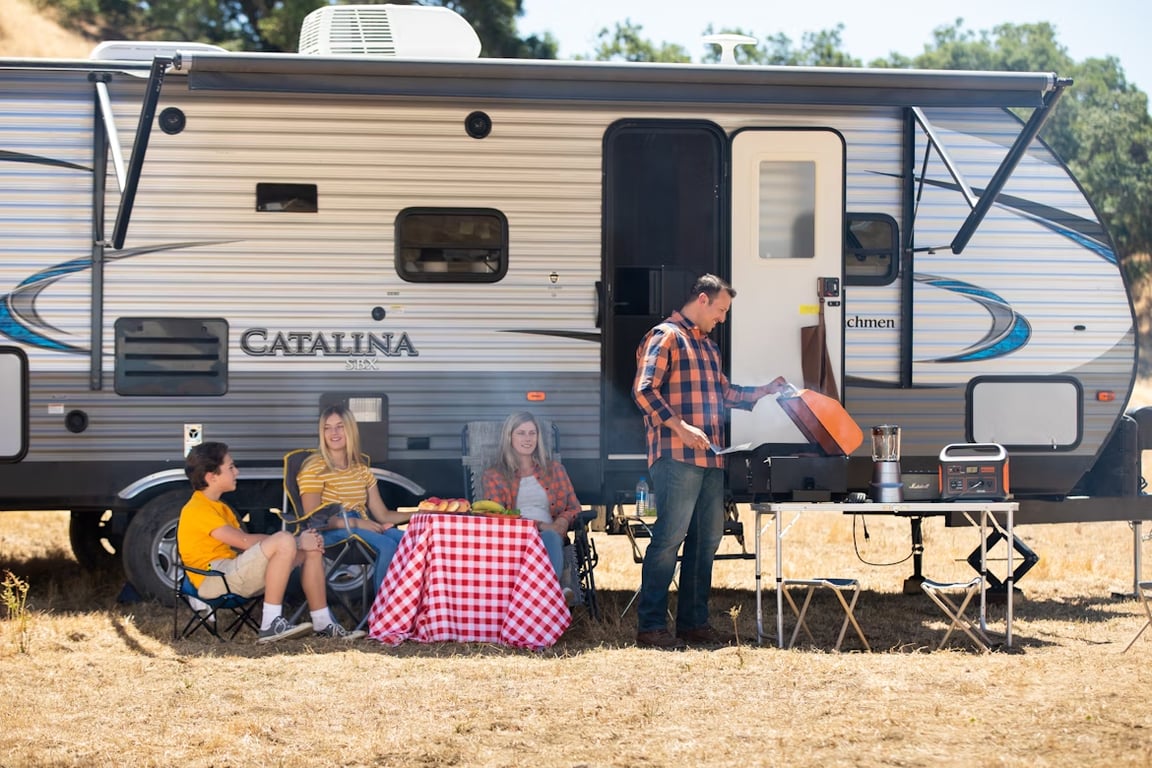
Campsite Liability: You're parked at a campsite, you've got the awning out, and a guest (or your clumsy buddy) trips over your camp chair and breaks their ankle. You're liable. Your auto insurance is only for driving liability. You need what's called Vacation Liability, which covers you when you're parked and living.
A motorhome policy is a specialized, hybrid beast, blending the best parts of an auto policy (for the road) with the best parts of a home policy (for the destination).
Decoding the Alphabet Soup: Class A, B, C, and Why It MattersBefore you can get the right policy, you have to know what you’re driving. In the motorhome world, size definitely matters, and insurers price their policies based on the class of your rig.
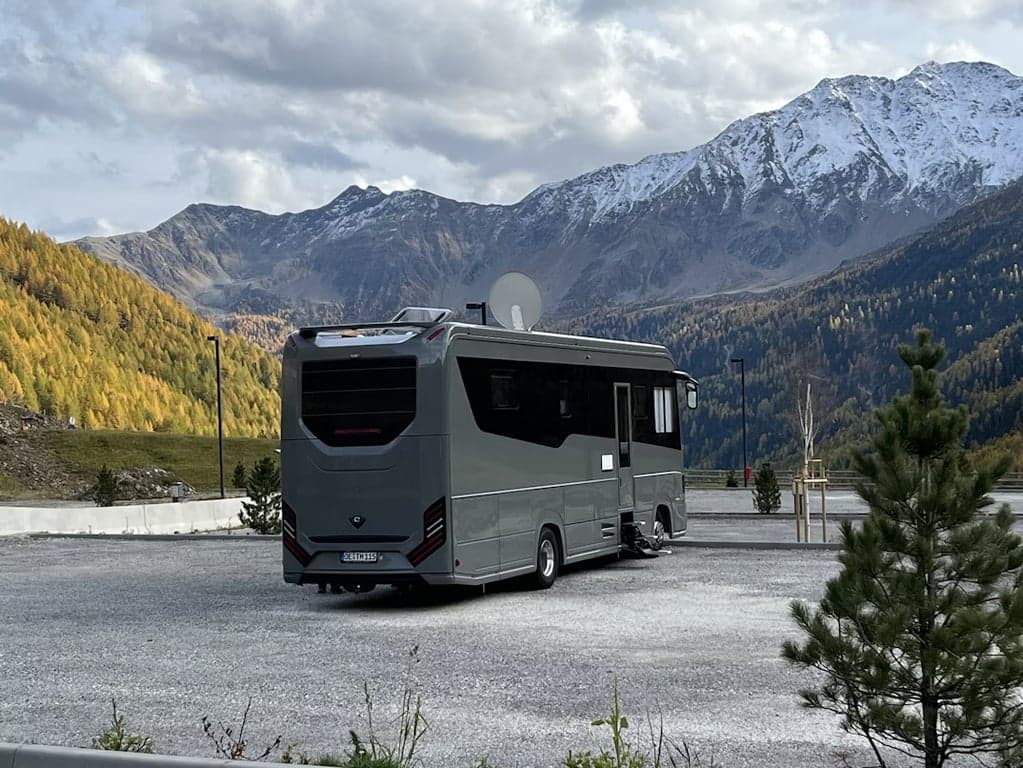
Class A Motorhomes: These are the kings of the road. Built on a dedicated bus or heavy-truck chassis, they’re the massive, flat-fronted "diesel pushers" or "gas coaches". They’re the most luxurious, the most complex, and by far the most expensive, with new models easily running from $100,000 to over $500,000.
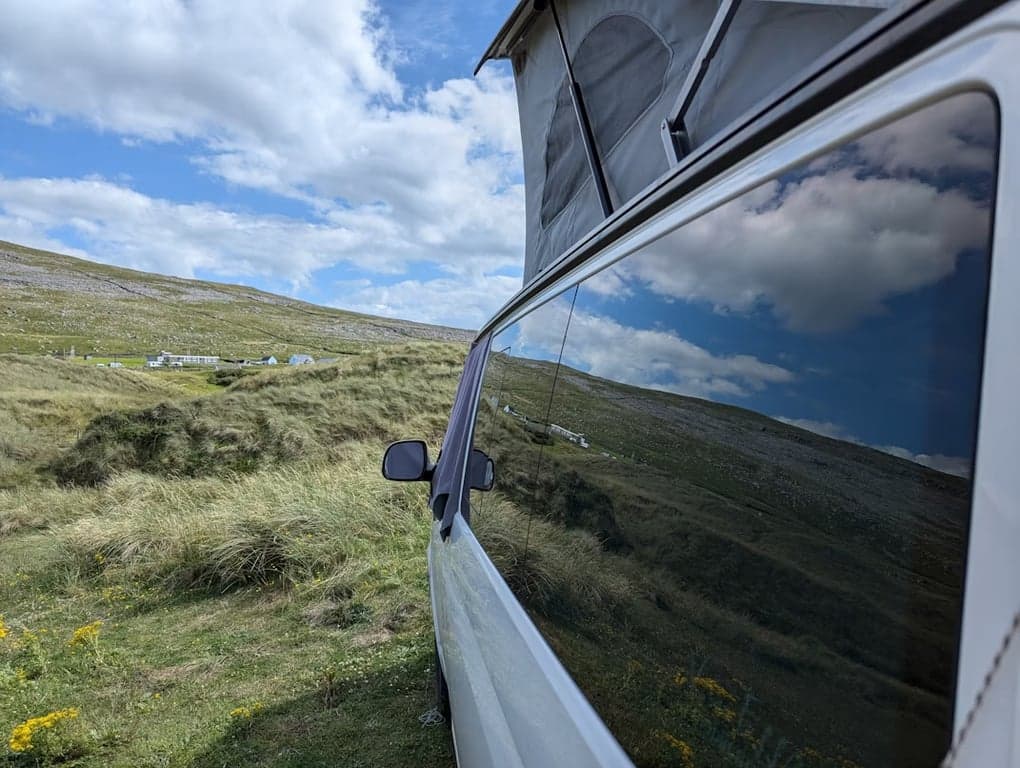
Class B Motorhomes: These are the "camper vans." They’re the smallest, built on a van chassis like a Mercedes-Benz Sprinter, Ford Transit, or Ram ProMaster. They’re nimble, easier to drive, and the most fuel-efficient, but they’re also the most compact.
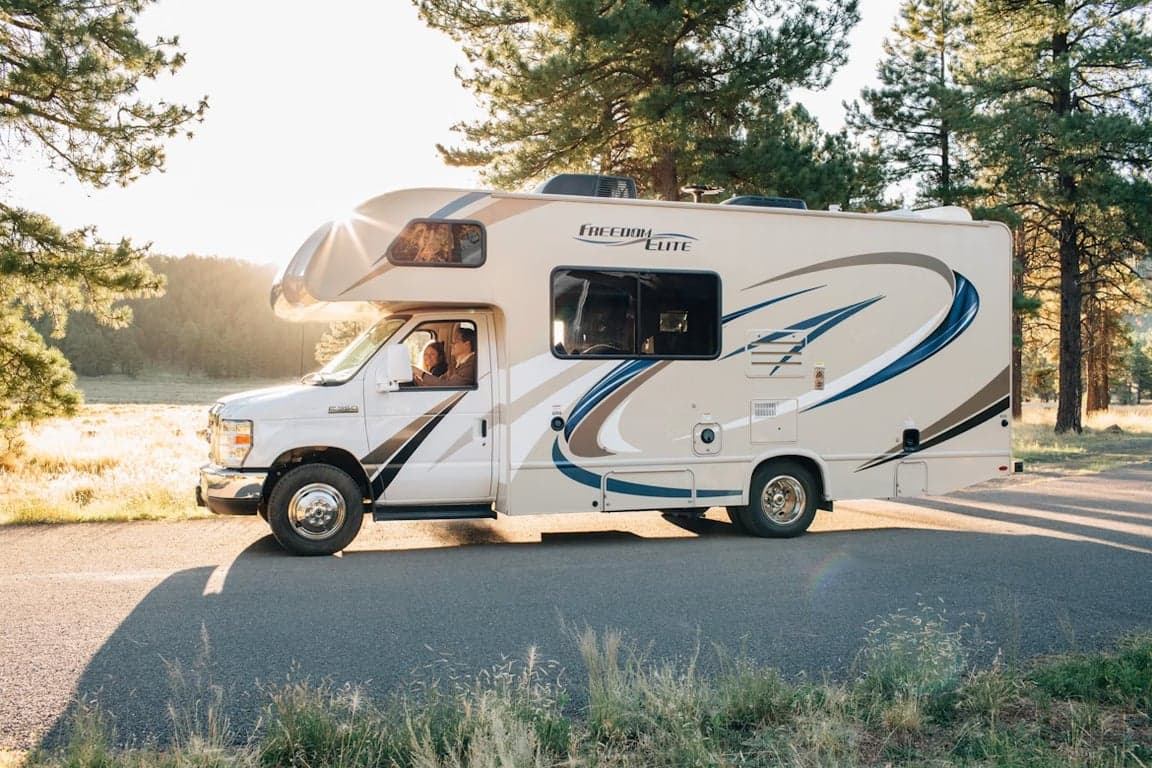
Class C Motorhomes: The "happy medium." These are built on a cutaway truck chassis (like a Ford E-Series or F-450) and are instantly recognizable by the sleeping "cab-over" area above the driver. They offer a great mix of space, amenities, and driving (relative) ease.
Why it matters for insurance: A $400,000 Class A is going to cost way more to insure than a $90,000 Class B. The replacement cost is higher, the repair parts (like a one-piece 10-foot-wide windshield) are astronomical, and the potential for damage is just greater. Class A's have the highest premiums, Class B's tend to have the lowest.
Building Your Policy: The Must-Have 'Mods' for Your Insurance GarageOkay, so you’ve got your rig. Now let's build the ultimate protection package. You can't just tick "full coverage" and call it a day. You need to add the right "performance parts" to your policy.
Part 1: The 'Street Legal' Basics (Liability)This is the non-negotiable stuff that keeps you from getting a massive ticket or having your wages garnished for the rest of your life.
Bodily Injury & Property Damage Liability: This covers you if you, the driver, are at fault in an accident and hurt someone or damage their property.
A Quick Warning: State minimums are a joke. California, for example, only requires $15,000/$30,000/$5,000. That’s $5,000 for property damage. Your 30-ton rig could do $5,000 of damage just by looking at a new BMW. You could cause a six-figure accident before you even hit the brakes. Get high limits. We’re talking $250,000/$500,000 or more.
These two cover the value of your motorhome.
Collision: Pays to repair your rig after you hit another car, a pole, a tree, or (most commonly) a gas station overhang.
Comprehensive (Comp): This is the "Act of God" coverage. It pays for non-collision damage: theft, vandalism, fire, a tree branch falling on your roof, hail, or hitting a deer. It can also cover water damage, but only if it’s from a sudden event like a storm, not from you forgetting to fix a leaky seal for six months.
This is where specialty RV insurance shows its value. These are the add-ons that separate the pros from the rookies.
Full-Timer’s Liability: Are you one of the growing number of people living in your RV more than 6 months a year? You are a "full-timer," and you must tell your insurance company. A standard policy can be voided if they find out you’re living in it. Full-timer coverage acts like a homeowner's policy, giving you much higher personal liability and contents coverage, plus "additional living expense" (it pays for a hotel or rental) if your RV is totaled or in the shop for a major repair.
Personal Effects Replacement: As we said, your auto policy doesn’t cover your stuff. This add-on does. You can get thousands of dollars in coverage for your electronics, camping gear, and personal belongings.
Vacation & Campsite Liability: This is the one we mentioned earlier. It provides liability protection for injuries that happen in or around your RV while you're parked. Most policies offer at least $10,000 in coverage. This is a cheap, must-have add-on.
These are the heroes you forget about until you're stranded on the side of I-80 in the middle of Wyoming.
Specialized RV Roadside Assistance: Your AAA card is a joke here. It won't cover a vehicle this big. You need a policy that provides towing for a 40-foot, 30,000-pound vehicle, which requires a heavy-duty wrecker.
Trip Interruption / Emergency Expense: Your rig breaks down 500 miles from home. This coverage pays for a hotel, a rental car, and sometimes even a flight home so you’re not stranded.
Alright, let's talk numbers. This is where that passion for horsepower meets the reality of the wallet.
The hard truth? It's not cheap, but it's essential. For a Class A motorhome, you can expect to pay anywhere from $1,000 to $4,000 per year. Some high-end luxury pushers can even top $10,000 a year.
What's behind that number? A good rule of thumb is to budget 1-3% of your motorhome's value for your annual insurance premium.
Here are the biggest factors that move the needle:
Your Rig's Value: This is the #1 factor. A new $500,000 Prevost has a much higher replacement cost than a 15-year-old $60,000 Winnebago.
How You Use It: Are you a "weekend warrior" or a "full-timer"? Full-timers pay more because the rig is on the road and exposed to risk 24/7/365. Even part-timers are using their RVs more, with the average owner now using their rig 30 days per year, a 50% jump from just a few years ago.
Where You Park It: Location, location, location. Storing your rig in a rural, low-crime state like Montana or Wyoming is cheap. Storing it in Florida (hurricanes), Texas (hail, high accident rates), or California (high repair costs, fires) will send your premium through the roof.
Your Driving Record: A lead foot in your personal car will absolutely haunt you here. A DUI or at-fault accident can make you nearly uninsurable.
Your Coverage: How high are your limits? How low is your deductible? Do you have all the 'Pro-Level' add-ons? More protection equals more premium.
You wouldn't buy a truck without looking under the hood, so don't buy a policy without knowing these tips.
Go to a SPECIALIST. Your local car-and-home agent might say they sell RV insurance, but they’re probably just reselling a generic policy. You want a company that lives and breathes this stuff. Look at companies like Progressive (often rated best overall), National General (known for great specialized coverage), Good Sam, and Foremost.
Ask for "Agreed Value" not "Actual Cash Value" (ACV). This is the most important tip on this list.
ACV pays you what your RV is worth at the time of the crash. Thanks to depreciation, that could be tens of thousands less than what you paid.
Agreed Value is a policy where you and the insurer agree on a specific dollar amount for your rig when you sign up. If it's totaled, that's the check you get. Period. It's the only way to go for expensive or vintage rigs.
Ask for Discounts.
Storage Discount: Not using the rig for 3 months? National General and others offer a "storage" option that suspends collision and liability, saving you a ton of cash.
Disappearing Deductible: Progressive is famous for this. For every claim-free policy period, your deductible drops by 25%, eventually hitting $0.
Bundle It: You can save by bundling with your home or auto, but always compare the bundle price to a standalone specialist policy.
Pay in Full: Most companies give a decent discount for paying the 12-month premium upfront.
We know. Insurance is the boring part. It's the manual, the fine print, the stuff that doesn't have the roar of an engine or the thrill of a wide-open highway.
But true gearheads know that the unseen engineering is what makes the whole thing work. Insurance is the financial chassis for your lifestyle. It’s the peace of mind that lets you turn the key, fire up that big machine, and point it toward the horizon without a knot in your stomach.
Protecting your passion isn't just smart; it's the only way to guarantee the adventure never has to end. So get your policy dialed in. The road is calling.