“It’ll Never Happen to Me.” (And Other Lies We Tell Ourselves)
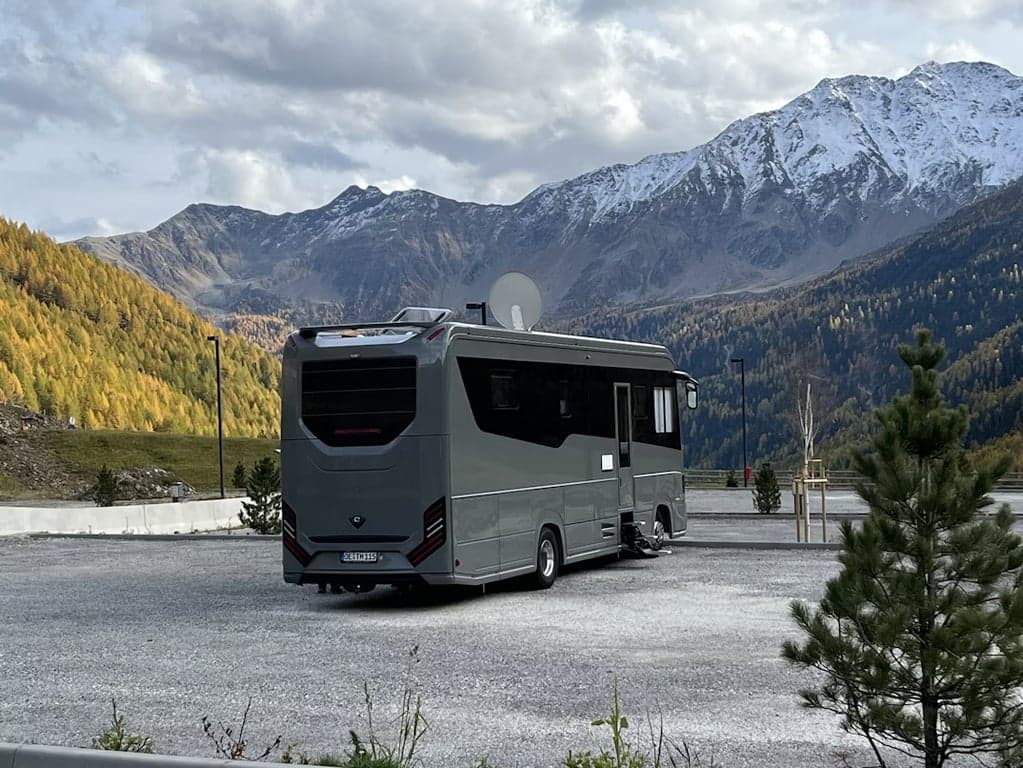
Imagine this. You’re two weeks into the cross-country trip you’ve planned for years. You’re parked at a scenic overlook, the diesel engine of your 40-foot Class A idling smoothly. You step out to grab that perfect sunset photo.
That’s when you smell it. Not diesel. Not campfire smoke. Electrical.
 You turn around just as smoke billows from the air conditioner. Within 60 seconds, a small electrical short becomes a flame. Within three minutes, your entire rig—your home, your truck, your dream—is an inferno of fiberglass, burning rubber, and melting steel.
You’re safe. Your family is safe. But as you stand there, holding nothing but your phone, a horrifying thought creeps in: "Am I actually covered for this?"
Here at Yeah! Motor, we celebrate the world's most fascinating rides3. We love the power, the engineering, and the sheer thrill of piloting these incredible machines444. But with great power comes great risk. An RV isn't just a big car; it's a house built on top of a highly complex, vibrating, moving machine. The potential for catastrophic failure is part of what makes them so awesome, and so dangerous.
Too many owners, especially new ones, think "insurance is insurance." They get a cheap policy, assume their auto coverage is enough, and hit the road. They are, to put it bluntly, wrong. And they don't find out until it's too late.
Let’s talk about the real-world nightmares that happen every day. These are the stories that prove why your standard policy is a ticking time bomb.
Nightmare #1: The Campsite Liability Catastrophe
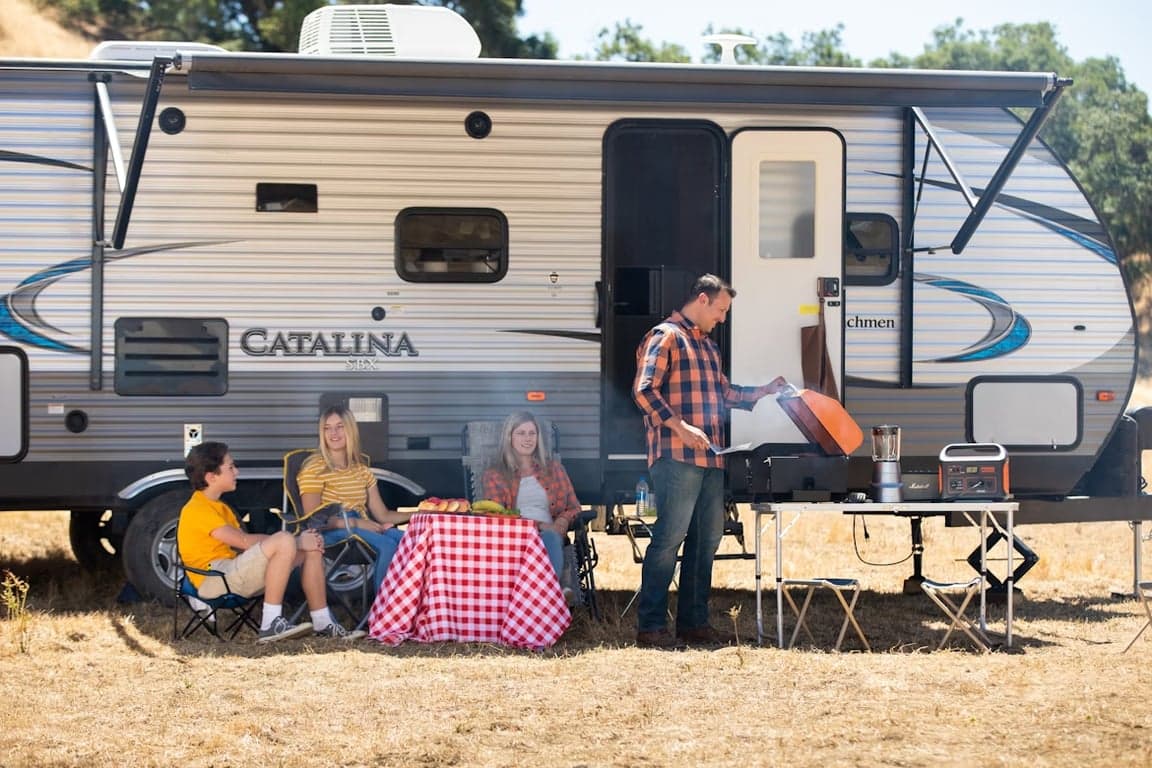
The Scenario: You’ve just set up your 30-foot travel trailer at a beautiful wooded campsite. You’re grilling, the awning is out, and your neighbors stop by to chat. Their 8-year-old son, full of energy, runs through your site, trips over your (properly secured) awning stake, and lands hard. The result: a broken arm and a concussion.
The Hard Truth: You’re at fault. It’s your campsite. The parents are, understandably, looking at you to cover $20,000 in medical bills.
The Insurance Fail: You think, "No problem, I have auto insurance." You call your provider. The agent asks, "Was the trailer hitched to your truck and in motion at the time of the incident?" No, it was parked. "Then your auto policy is not in effect. This is a homeowner's liability issue."
You call your homeowner's insurance. They say, "This accident happened in a vehicle, 200 miles from your insured property. It's not our problem."
You are completely, financially, devastatingly on your own.
The Coverage You Needed: Vacation Liability / Campsite Liability. This is a specific, cheap add-on to an RV policy. It acts like homeowner's insurance for your campsite, covering injuries or property damage that happens while you are parked. Without it, you are 100% exposed.
Nightmare #2: The Total Loss "Actual Cash Value" Trap
The Scenario: You bought a brand-new, top-of-the-line fifth-wheel for $90,000. You've had it for 18 months. On a windy highway, a semi-truck clips you, sending your rig rolling. It’s a total loss. The rig is destroyed.
The Hard Truth: You’re fine, but your $90,000 investment is gone. You still owe $85,000 on the loan.
The Insurance Fail: Your "full coverage" policy was based on "Actual Cash Value" (ACV). The insurance company looks at your 18-month-old trailer and, just like a car, determines it had depreciated by 30%. They send you a check for $63,000.
You are now $22,000 in debt on a loan for a pile of scrap metal, and you have no RV. This is how people go bankrupt.
The Coverage You Needed: Total Loss Replacement or Agreed Value. "Total Loss Replacement" is common for RVs up to five years old. It pays to replace your rig with a brand new one of the same make and model. "Agreed Value" means you and the insurer agree on a price up front, and that's exactly what you get paid if it's totaled. ACV is a gamble you can't afford to take.
Nightmare #3: The "Full-Timer's" Eviction
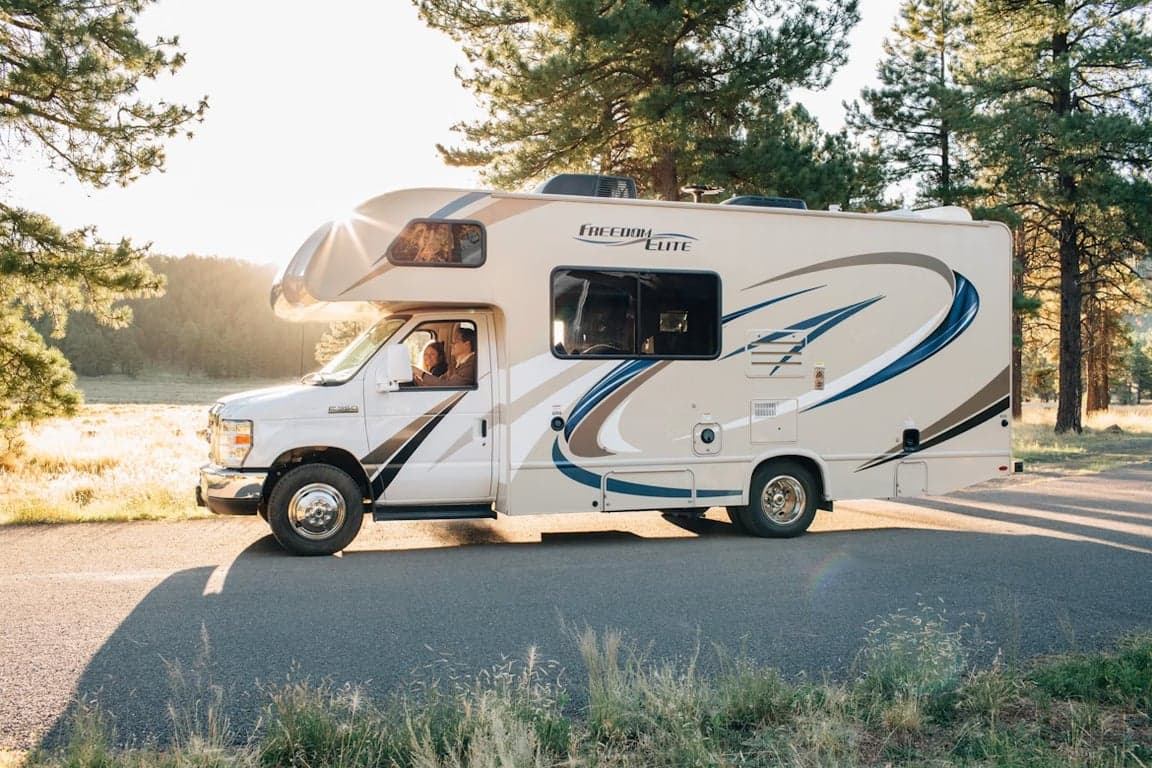
The Scenario: You're one of the millions who sold the "sticks-and-bricks" house to live the dream. You're a full-timer, living in your Class C motorhome six months a year. A freak electrical issue starts a fire while you're at dinner. You come back to find your home—and everything you own in the world—is a pile of toxic ash.
The Hard Truth: You are not just out of a vehicle. You are homeless. You have no clothes, no laptop, no... anything.
The Insurance Fail: You had a standard, "recreational" RV policy because it was cheaper. The insurance adjuster, seeing you have no permanent address and have been on the road for 8 months, flags your claim. Two weeks later, you get the letter: CLAIM DENIED. You violated the terms of the policy by living in the RV, which was not rated for "full-time use".
The Coverage You Needed: Full-Timer's Insurance. This is a specialized, hybrid policy that's part-auto, part-homeowners. It costs more, but it's designed for your lifestyle. It includes high-limit personal liability (since it's your only home), much higher Personal Effects Coverage for all your belongings, and Emergency Expense / Loss of Use coverage that will pay for a hotel or rental while your rig is being replaced.
Nightmare #4: The Travel Trailer "While Towing" Gap
The Scenario: You own a 28-foot travel trailer. You know the law: your tow vehicle's liability extends to your trailer. You're covered, right? You park your trailer at a secure storage facility for the winter.
The Hard Truth: You come back in the spring to an empty slot. Your trailer, hitch lock and all, has been stolen.
The Insurance Fail: You call your auto insurance agent for your truck. They politely inform you of the fine print: the truck's policy only covers the trailer while it is actively hitched and being towed. The second you unhooked it at that storage lot, it was just a "thing." A very expensive, uninsured "thing." You lost $30,000.
The Coverage You Needed: A specific Comprehensive policy for the trailer itself. This is separate from your truck's policy (or can be bundled with it) and covers theft, fire, vandalism, and weather damage—all the things that happen when the trailer is not moving. If you have a loan on a trailer, this is mandatory. If you paid cash, it's just plain smart.
Nightmare #5: The "All Your Stuff" Misconception
The Scenario: You're the victim of a simple smash-and-grab. While you're on a hike, someone breaks into your motorhome. They don't take the rig, but they take everything else. Laptops, TVs, cameras, expensive tools, clothes... $15,000 worth of your personal gear, gone.
The Hard Truth: Your auto policy is designed to cover the vehicle, not its contents.
The Insurance Fail: Your auto policy pays $0 for the stolen items. Your homeowner's policy might cover it, but often has a "vehicle" exclusion, and the deductible is high. You're left holding the bag.
The Coverage You Needed: Personal Effects Replacement (PER). This is an add-on to your RV policy that specifically covers the "stuff" inside your rig. You can often choose your limit ($5,000, $10,000, etc.). It's the only way to protect the "home" part of your motorhome.
Don't Risk the Dream for a Few Bucks
At Yeah! Motor, we're all about pushing the limits5. But we're also about respecting the machine. The thrill of the open road is only possible if you've done the prep work.
These stories aren't meant to scare you off the road. They're meant to make you a smarter owner. An RV is a massive investment, not just of money, but of lifestyle and freedom6. Protecting it with the right policy—a true RV policy with Vacation Liability, Total Loss Replacement, and Personal Effects coverage—isn't an "extra." It's the foundation your entire adventure is built on.
Don't be the person standing on the side of the road, watching their dream go up in smoke, wondering if they're covered. Go check your policy. Now.