Here at Yeah! Motor, we know the feeling. You've got your rig dialed in. The engine, the suspension, the new tires—you’ve spent hours under the hood and in the forums making sure every component is optimized for performance and efficiency.
So why, after all that hard work, are you letting a "one-size-fits-all" insurance policy drain your wallet? Let's be real: talking about insurance isn't as thrilling as talking horsepower. But for a true gearhead, "good enough" is never good enough. Optimizing your rig means optimizing everything associated with it, and that includes the boring (but critical) stuff.
Most RV owners bleed money on their insurance. They either buy the first policy the dealer shoves at them, or they click a few buttons online, "set it and forget it," and move on. That's a rookie mistake. You could be throwing away hundreds, even thousands, of dollars every year—money that could be spent on fuel, campsite fees, or a new set of shocks.
Your RV isn't a simple car, and its policy isn't simple, either. It's a complex, hybrid machine, and its insurance is a high-performance system. You just need to know how to tune it.
Let's pop the hood on your policy, get our hands dirty, and find the savings you're leaving on the table.
Tip #1: Get Your Lifestyle Classification Right
This is the big one. Get this wrong, and your policy could be worthless. When you get a quote, the insurer will ask if you're a "Part-Timer" or a "Full-Timer." This isn't a casual question.
The 150-Day Rule: Most insurers define "full-time" as living in your RV for more than 150 days per year.
Part-Timer (Recreational) Policy: This is for weekend trips and summer vacations. It assumes you have a primary "sticks-and-bricks" home with its own homeowner's insurance policy.
Full-Timer Policy: This is a completely different product. It's a true hybrid of auto and home insurance. It includes high-limit personal liability (in case someone gets hurt in your "home"), loss assessment coverage (for RV park association fees), and much higher coverage for your personal belongings.
Why This Saves You Money: If you're a Part-Timer with a Full-Timer policy, you're overpaying for coverage you don't need. Conversely, if you're a Full-Timer with a Part-Time policy, you're not saving money; you're uninsured. A claim denial will cost you everything.
Tip #2: Master the "Lay-Up" (Storage) Policy
This is, without a doubt, the most valuable trick in the book. Why are you paying for on-the-road coverage when your rig is sitting in storage for four, five, or six months over the winter?
You don't have to.
Almost every major RV insurer offers a "Storage" or "Lay-Up" policy. Here’s how it works:
You call your agent and tell them you're putting the RV into storage.
They suspend the expensive parts of your policy: namely Collision and Liability. You're not driving it, so you can't get in an accident.
They keep the Comprehensive coverage active. This is crucial. This still protects your rig from theft, fire, vandalism, a tree falling on it, or rodents chewing up the wiring while it's parked.
The savings are massive. You’re effectively pausing the most expensive parts of your premium for the entire off-season.
Tip #3: Tune Your Deductibles Like a Pro
Your deductible is the amount you agree to pay out-of-pocket before the insurance company pays a dime. It's a simple lever:
Low Deductible ($250-$500): You pay less if you have a claim, but you pay a much higher premium every month.
High Deductible ($1,000-$2,500): You pay more if you have a claim, but your monthly premium drops significantly.
Many people default to a low deductible "just in case." This is often a bad bet. You are paying a guaranteed high price every single month to protect against a potential small-to-medium repair.
The Pro-Tune: Raise your Comprehensive and Collision deductibles to $1,000 or even $2,500. Put the money you save on premiums into a separate "RV Repair" savings account. If you go a year or two without a claim, you've already paid for your own deductible.
Tip #4: Avoid the "Trailer vs. Motorhome" Money Trap
This is a legal and financial trap many new owners fall into.
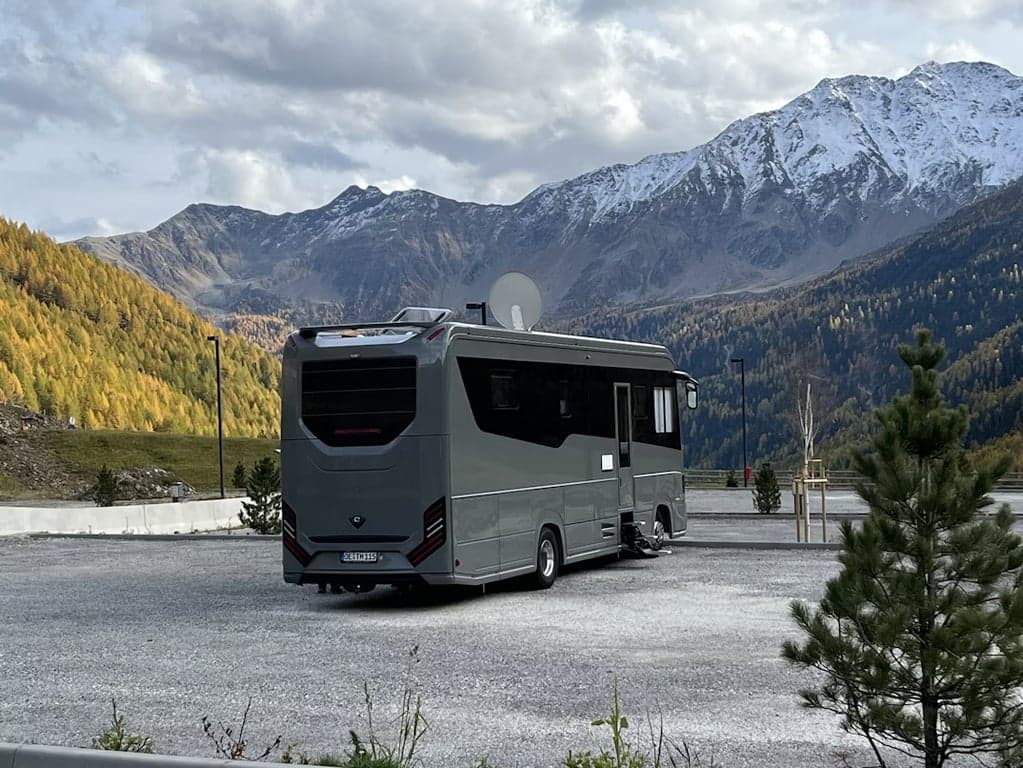
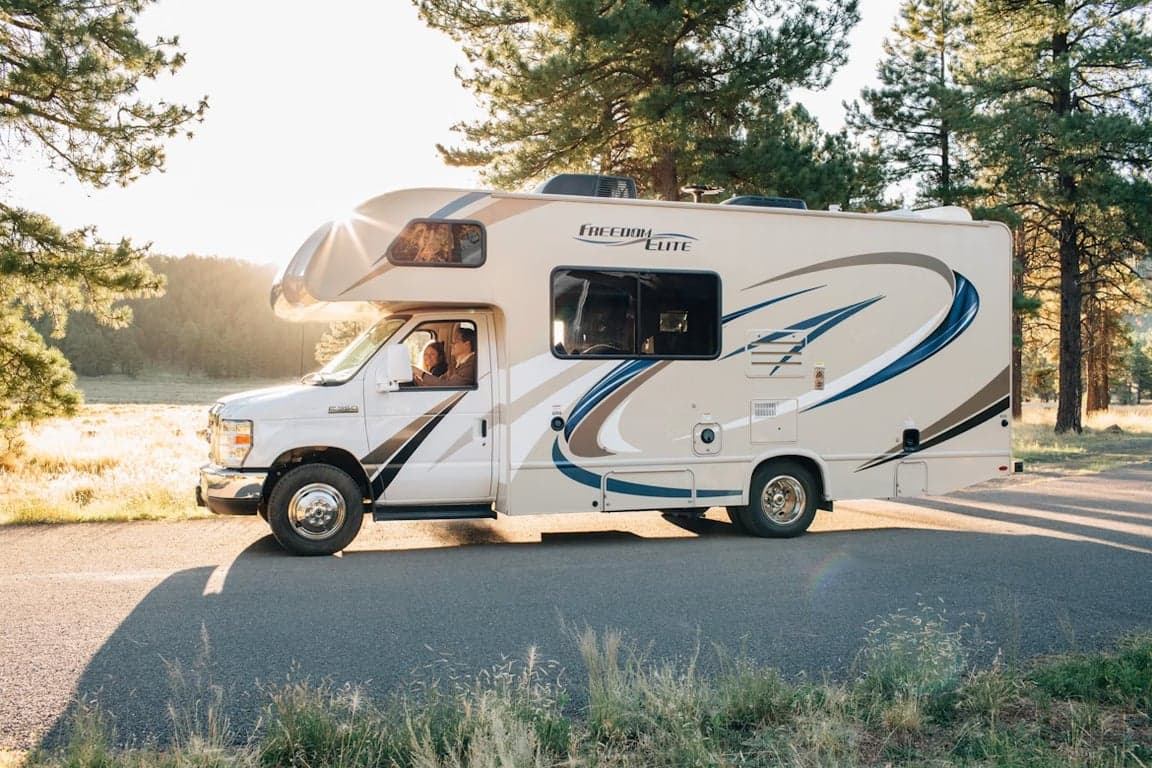
Motorhomes (Class A, B, C): Simple. It has a motor, it's a vehicle. The law in nearly every state says you must carry, at minimum, a liability policy to drive it.
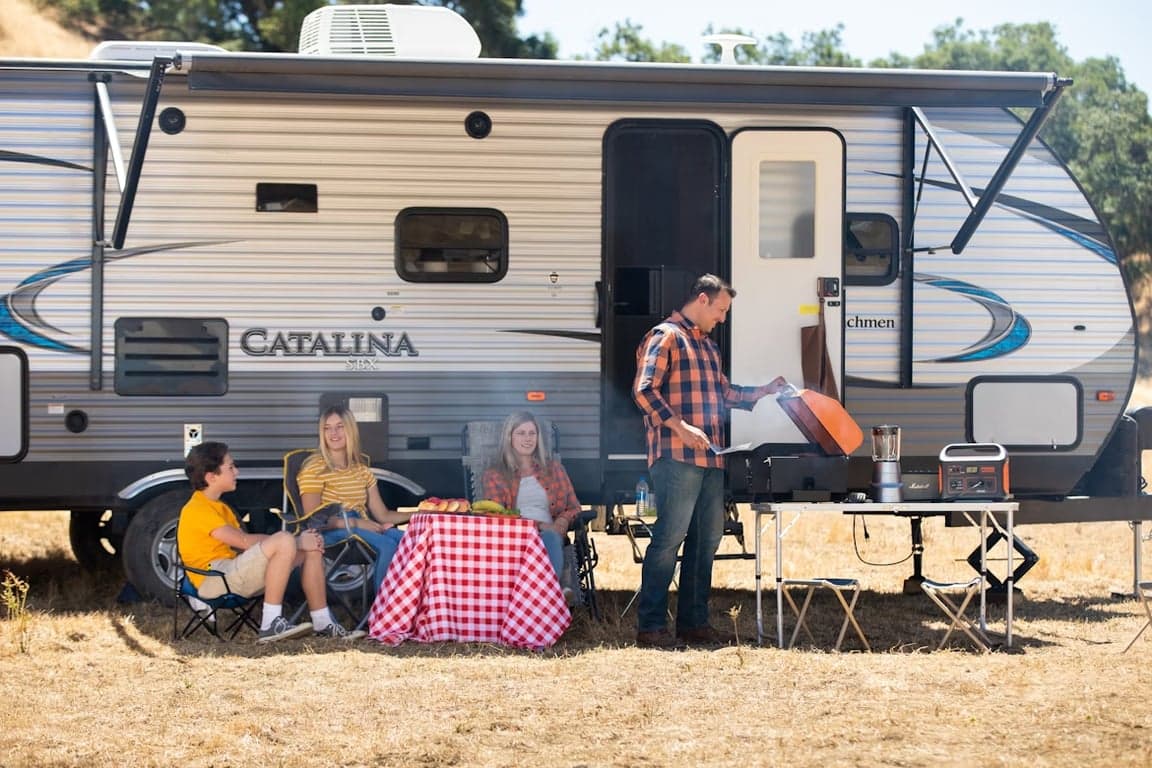
Travel Trailers (Towables): Complicated. Because it's towed, most states do not legally require a separate policy for the trailer itself. Your tow vehicle's liability insurance extends to the trailer only while it's hitched.
The Trap: A new owner assumes their F-150's insurance covers their new $40,000 trailer. It does... but only for the damage the trailer causes if it fishtails and hits someone. It DOES NOT cover the trailer itself from theft, fire, or damage in an accident.
The Pro-Tune: If your trailer is worth more than you can afford to replace with cash, you must add physical damage (Comprehensive and Collision) coverage for it. It's a separate line item, it's relatively cheap (average of ~$600/year as of 2025), and it protects your actual investment.
Tip #5: Bundle Everything. No, Seriously.
This is the easiest win on the board. If you have your auto or home insurance with one company and your RV policy with another, you're lighting money on fire.
Call your current auto/home agent and get a quote. The multi-policy discount for bundling RV, auto, and home/renters policies is almost always one of the biggest discounts you can get. It simplifies your life and saves you cash.
Tip #6: Ask About Safety & Storage Discounts
Insurers love it when you reduce their risk. You need to explicitly ask for discounts related to safety and storage.
RV Safety Course Discount: Did you take a certified RV driving or safety course? Many insurers offer a discount for it.
Anti-Theft Discount: Got a high-quality alarm system? A GPS tracker? Upgraded locks? Ask for a discount.
Good Storage Discount: Where do you park your rig? If it's in a secure, fenced storage facility, in a garage, or on your own property behind a gate, you can often get a lower rate than if it's just parked on the street.
Tip #7: Leverage Your Loyalty & Affiliations
Finally, don't forget to cash in on who you are and who you're with.
The "Original Owner" Discount: If you bought your rig new and you're the only owner, some companies (like Progressive) will give you a break.
Safe Driver Discount: If you have a clean driving record (no tickets or at-fault accidents in 3-5 years), make sure you're getting this.
RV Club Discount: Are you a member of Good Sam, the FMCA (Family Motor Coach Association), or another big RV club? They almost always have affiliate partnerships that offer 5-10% off.
Final Tune-Up: Your Action Plan
Your rig is a finely tuned machine. It's time your insurance policy was, too.
Don't wait until renewal time. Pull out your policy tonight. Look at the declaration page.
Check Your Status: Are you correctly listed as a Part-Timer or Full-Timer?
Check Your Deductibles: Are you paying a high premium for a low $500 deductible?
Check Your Calendar: When are you storing the rig? Put a reminder in your phone right now to call your agent and ask for the "Storage / Lay-Up" policy.
Check Your Discounts: Grab this article's list and call your agent tomorrow. Ask them to verify every single discount.
At Yeah! Motor, we believe being a motor-lover means being a smart motor-lover. Stop overpaying. Tune your policy, save that cash, and spend it on what really matters: burning fuel and finding the next horizon.