There’s nothing like the freedom of the open road on two wheels. The rush of wind, the growl of the engine, and that sense of adventure you just can’t get from any car. But with freedom comes responsibility - and one of the most important steps every rider should take is securing the right motorcycle insurance.
Whether you’re a seasoned biker cruising cross-country or a new rider getting your first taste of throttle, understanding how motorcycle insurance works can save you money, headaches, and serious financial risk.
Why Motorcycle Insurance Matters
Motorcycle insurance isn’t just a legal requirement in most U.S. states — it’s your safety net. Accidents can happen anytime, and bikes offer far less protection than cars. A solid insurance policy ensures that you, your bike, and others on the road are covered if the unexpected happens.
It can protect against medical bills, property damage, theft, vandalism, or even an uninsured driver who causes an accident. Without it, you could face thousands in repair and medical costs out of pocket.
What Motorcycle Insurance Covers
Here’s a quick breakdown of the main types of coverage every rider should understand:
Liability Coverage: Covers injury and property damage you cause to others. This is mandatory in most states.
Collision Coverage: Pays for repairs to your motorcycle after an accident, regardless of fault.
Comprehensive Coverage: Covers theft, vandalism, fire, weather, and other non-collision damages.
Uninsured/Underinsured Motorist: Protects you if you’re hit by a driver who doesn’t have enough insurance.
Medical Payments (MedPay): Covers medical expenses for you and your passenger, even if you’re at fault.
Accessory Coverage: Optional add-on for custom parts, helmets, or riding gear.
Factors That Affect Your Premium
Motorcycle insurance rates vary widely. Here’s what insurers consider when setting your premium:
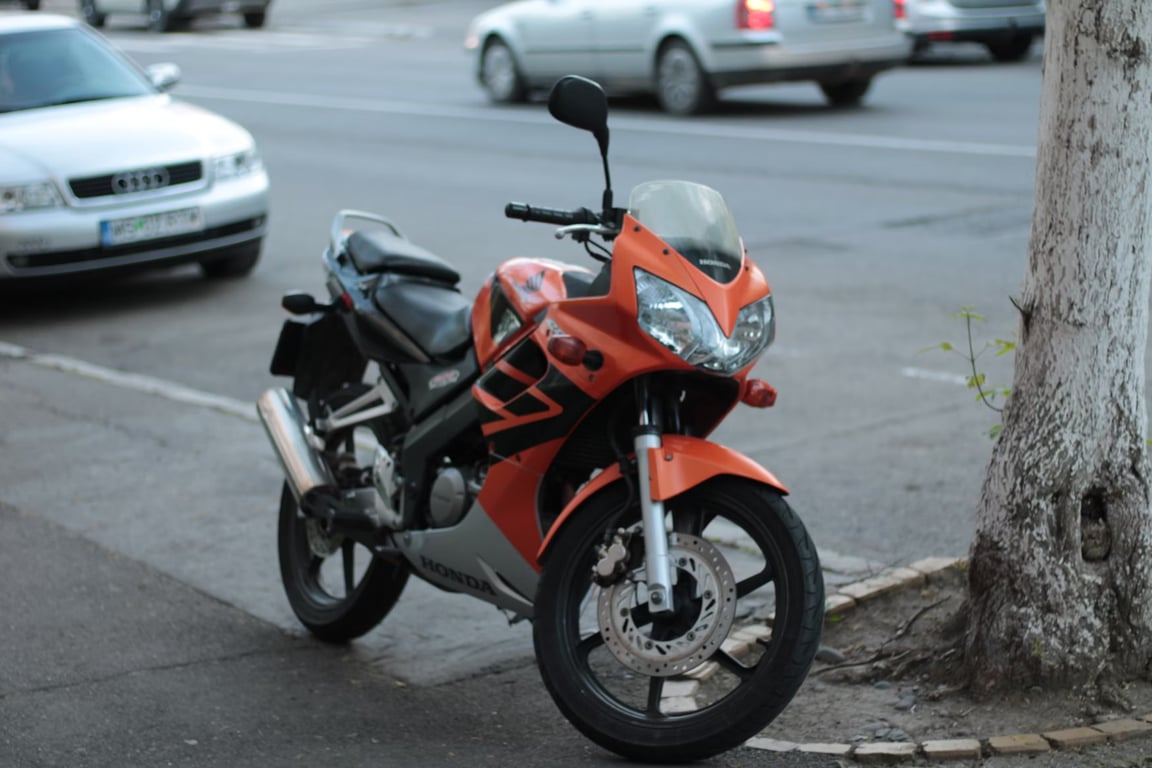
Type of Motorcycle: Sports bikes usually cost more to insure than cruisers or touring bikes.
Rider Age & Experience: Younger and less experienced riders often pay higher premiums.
Location: Urban areas with higher traffic or theft rates lead to higher costs.
Riding History: Clean records get discounts; speeding tickets or accidents will increase rates.
Mileage: The more you ride, the greater the risk — and the higher your premium.
Safety Courses: Completing a certified motorcycle safety course can reduce your rate by up to 10–15%.
How to Lower Your Motorcycle Insurance Cost
Bundle Policies: Combine your motorcycle insurance with auto or home policies for multi-policy discounts.
Increase Your Deductible: A higher deductible can significantly lower your premium.
Install Anti-Theft Devices: GPS trackers or alarms can earn you safety discounts.
Maintain a Clean Record: Safe riding pays off over time.
Review Annually: Re-shop your policy every year; competition keeps rates competitive.
Special Considerations for Seasonal Riders
If you live in a region with cold winters, consider seasonal or lay-up insurance. It allows you to pause certain coverages when your bike is in storage, saving money without sacrificing theft or fire protection.
Popular Motorcycle Insurance Providers in the U.S.
Some of the most trusted names for motorcycle insurance include:
Progressive: Known for wide coverage options and discounts for responsible riders.
GEICO: Competitive rates for both new and experienced riders.
Allstate: Great add-on coverage for accessories and custom parts.
Nationwide: Offers lay-up policies for seasonal riders.
State Farm: Popular for riders who want to bundle with auto or home coverage.
Always compare at least three quotes before choosing your provider.
Final Thoughts
Motorcycle insurance might not be as thrilling as riding itself, but it’s just as essential. A well-chosen policy not only keeps you compliant with the law but also ensures that your freedom on two wheels doesn’t come with unnecessary financial risk.
Before your next ride, take time to review your policy, understand your coverage, and make sure you’re truly protected — because peace of mind is the best riding companion of all.