Cats and dogs might rule most households, but they’re far from the only pets people love. Across the U.S., millions of owners share their homes with snakes, parrots, ferrets, hedgehogs, iguanas, and even tarantulas. These unusual companions might not fetch or purr — but they’re just as cherished.
Yet when it comes to insurance, many exotic-pet owners hit a wall. Standard pet insurance policies don’t always apply, and finding coverage for a bearded dragon or Burmese python can feel like an adventure of its own. Here’s how exotic pet insurance works, what’s covered, and what to consider before bringing your next unusual friend home.
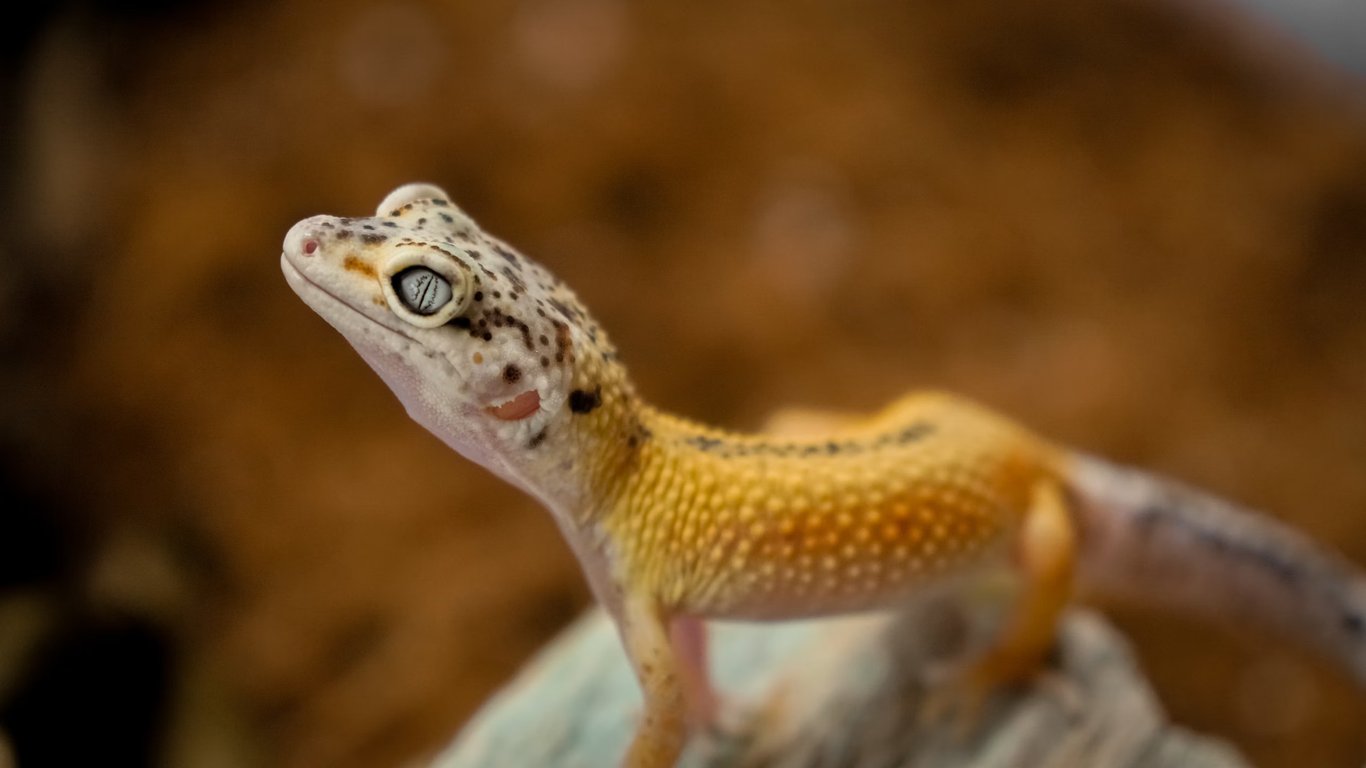 What Counts as an “Exotic” Pet?
In insurance terms, exotic pets include any non-traditional companion outside the usual cats and dogs. That can mean:
Reptiles (snakes, turtles, lizards, geckos, iguanas)
Birds (parrots, macaws, cockatiels, parakeets)
Small mammals (rabbits, ferrets, guinea pigs, hedgehogs)
Amphibians (frogs, axolotls)
Invertebrates (tarantulas, scorpions, hermit crabs)
Mini-pigs or micro-goats (in rural or hobby farms)
Each species has different medical risks — and insurers assess them differently.
Why Exotic Pet Insurance Exists
Vets who treat exotic animals require specialized training and equipment. Even a simple check-up or X-ray for a parrot or snake can cost two to three times more than for a cat.
For example:
Exotic vet exam: $80–$120 (vs. $40–$60 for cats/dogs)
Reptile infection treatment: $300–$1,000+
Bird surgery (broken wing): $1,500–$3,000
Since exotic-pet emergencies often need specialized care — sometimes at limited clinics — insurance can make a huge difference.
How Exotic Pet Insurance Works
Exotic-pet policies work similarly to standard pet insurance:
You pay a monthly premium.
Choose your vet (must be licensed to treat your species).
Pay upfront and submit a claim.
Receive reimbursement based on your policy terms.
The main challenge? Fewer insurers offer it. In the U.S., companies like Nationwide, Pet Assure, and ExoticDirect (UK) are among the few that provide broad exotic coverage.
What’s Typically Covered
Coverage varies by species, but most policies include:
Accidents and injuries (fractures, bites, falls, burns)
Illnesses and infections (respiratory disease, parasites, bacterial or fungal infections)
Diagnostics (lab tests, X-rays, ultrasounds)
Hospitalization and surgery
Prescribed medications
Optional add-ons may include routine check-ups or behavioral treatments for birds and mammals.
What’s Not Covered
Common exclusions include:
Pre-existing conditions
Routine care without a wellness plan
Breeding, pregnancy, or egg-laying complications
Cosmetic or elective procedures
Wild-caught animals (some insurers only cover captive-bred pets)
Always read the fine print — particularly for reptiles and amphibians, which are prone to health issues related to habitat and diet.
Snakes, Spiders, and the Special Cases
Snakes:
Insurance may cover injuries, infections, or complications from shedding, but venomous snakes are almost always excluded. Owners must typically provide proof of legal ownership and proper enclosure.
Tarantulas and other invertebrates:
Very few insurers cover spiders or scorpions, mostly because vet treatment costs rarely justify a policy. In these cases, a pet wellness fund or self-insurance (setting aside a savings account) is often the smarter choice.
Birds:
Parrots, cockatoos, and macaws can live 40–60 years, making long-term insurance valuable. Policies often include feather-plucking, respiratory infections, and beak injuries — but may exclude stress-related behaviors.
The Importance of Licensed Exotic Vets
Even the best policy won’t help if your local vet can’t treat your pet. Exotic animals often need avian or reptile specialists, which may be rare outside major cities.
When choosing a plan, make sure it covers any licensed exotic vet and doesn’t restrict you to a narrow network. Nationwide and Pet Assure both allow flexibility across the U.S.
Costs and Premiums
Average monthly premiums for exotic-pet insurance (as of 2025):
Animal Type | Typical Monthly Premium | Average Annual Limit |
|---|---|---|
Birds (parrot, cockatoo) | $15–$40 | $5,000–$10,000 |
Reptiles (snake, lizard) | $10–$30 | $2,000–$5,000 |
Small mammals (ferret, rabbit) | $10–$25 | $5,000–$7,000 |
Amphibians / Invertebrates | Rare coverage | Varies |
Premiums depend on species, age, and risk factors — and exotic pets generally cost more to insure per medical dollar than cats or dogs.
Alternatives to Full Insurance
If your species isn’t eligible for coverage, consider these options:
Pet wellness savings account: Set aside $10–$25 per month for future vet costs.
Pet-care discount plans: Programs like Pet Assure give instant discounts (25%+) at participating vets, without waiting periods.
Membership vet clinics: Some exotic vets offer annual wellness memberships with discounted exams and treatments.
While not full insurance, they provide financial cushioning for common issues.
How to Choose a Good Exotic-Pet Policy
Confirm your species is covered. Always check the full list — not just “exotics.”
Compare reimbursement methods. Some pay directly to vets; others reimburse later.
Look for illness + accident coverage. Avoid accident-only plans if your species is illness-prone (like birds).
Understand claim limits. Annual or per-incident caps vary widely.
Check waiting periods and exclusions. These can differ dramatically between providers.
Real-World Example
Emma from Austin keeps two African Grey parrots. After one developed a respiratory infection, the emergency visit, lab work, and antibiotics totaled $1,250. Her Nationwide policy reimbursed $900, minus a $250 deductible.
Without insurance, that same incident would’ve been out-of-pocket — and parrots, known for recurring infections, can easily rack up several such bills per year.
Pros and Cons of Exotic Pet Insurance
Pros
Protects against high exotic-vet costs
Reduces financial stress during emergencies
Encourages proper, timely care
Works with many licensed exotic specialists
Cons
Limited provider options
Species restrictions (esp. venomous or wild-caught)
Premiums can be high relative to pet value
Some species excluded entirely
Final Thoughts
Exotic pets may be unusual - but your bond with them is just as strong. Whether it’s a talkative parrot or a silent ball python, veterinary emergencies can happen anytime. Exotic-pet insurance gives owners peace of mind that specialized care won’t break the bank.
If you can’t find coverage for your species, build a dedicated emergency fund and maintain regular check-ups with an experienced exotic vet. The best protection is preparation - because every creature, no matter how wild, deserves care when it matters most.