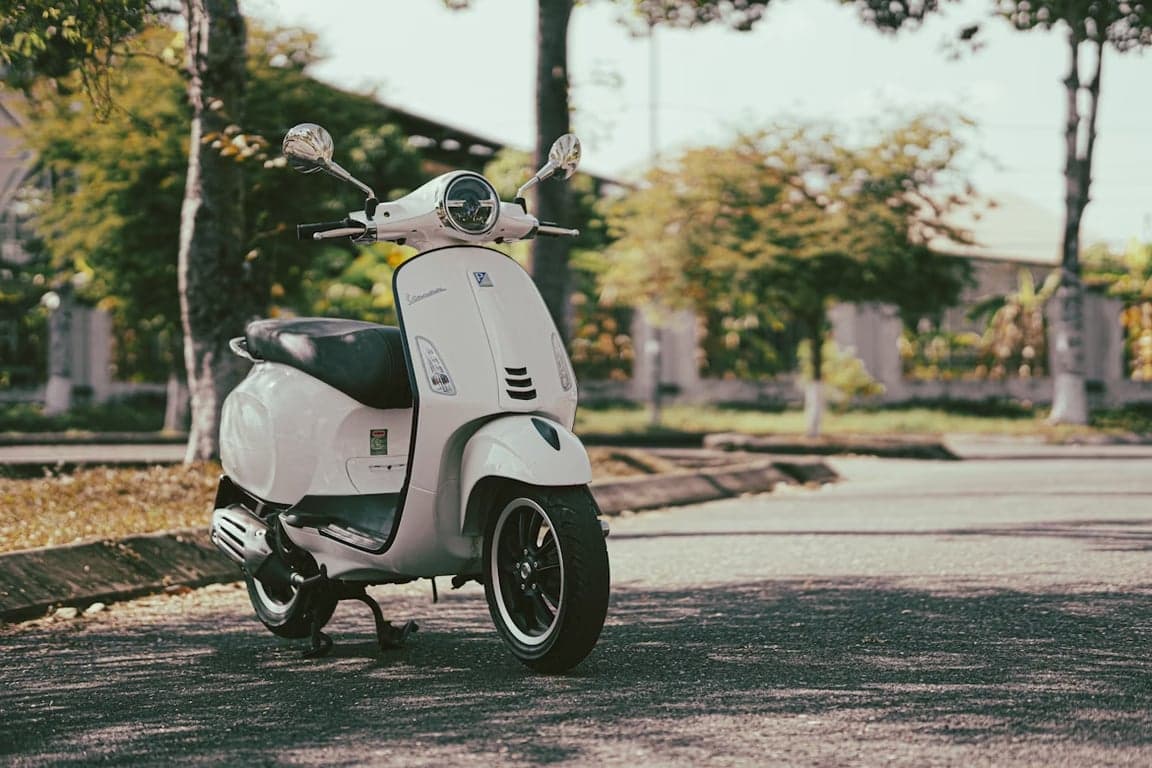
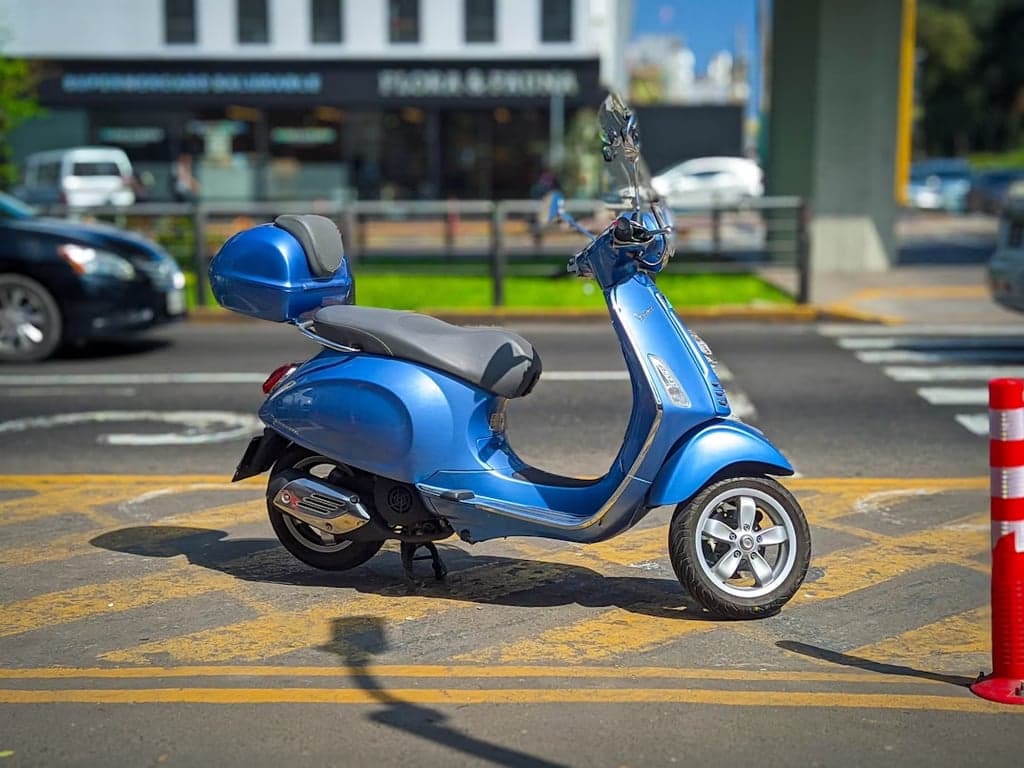
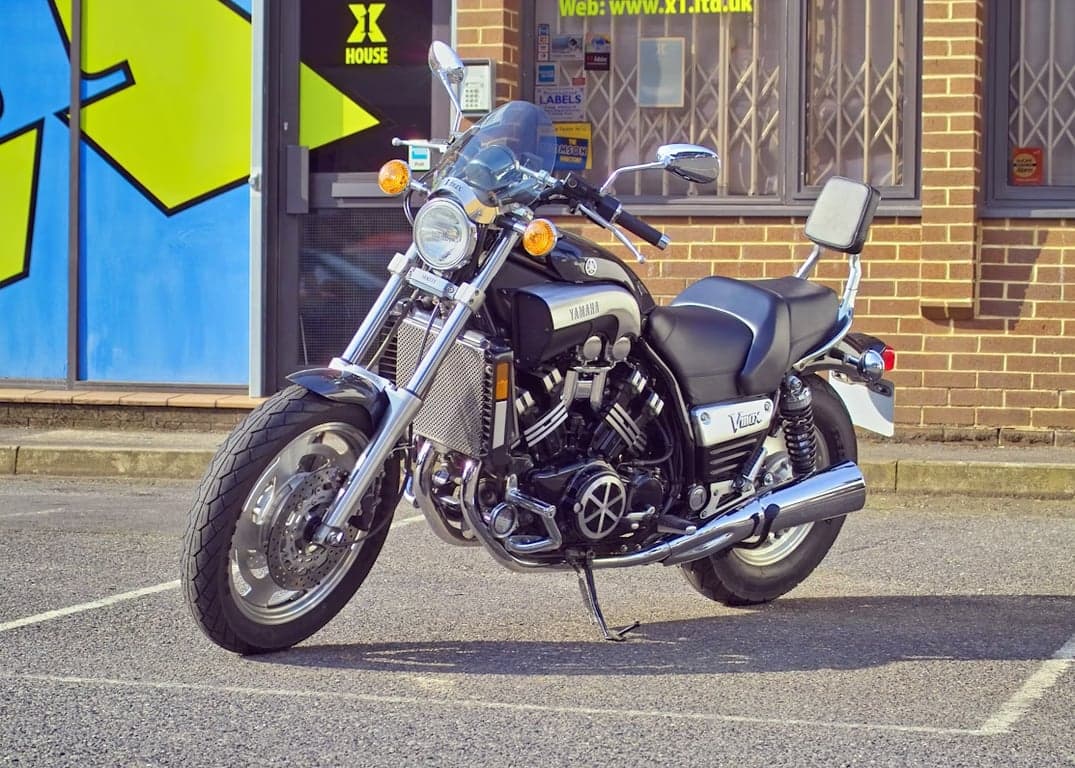
Alright, let's get one thing straight. If you think scooters are just toys, you're missing the point.
These aren't just machines; they're tactical urban-assault vehicles. They are the kings of the commute, the masters of the parking spot, and the undisputed champions of beating $5-a-gallon gas prices. Here at Yeah! Motor, we're into anything with an engine that moves you , and a scooter is one of the smartest, most fun, and most efficient ways to do it.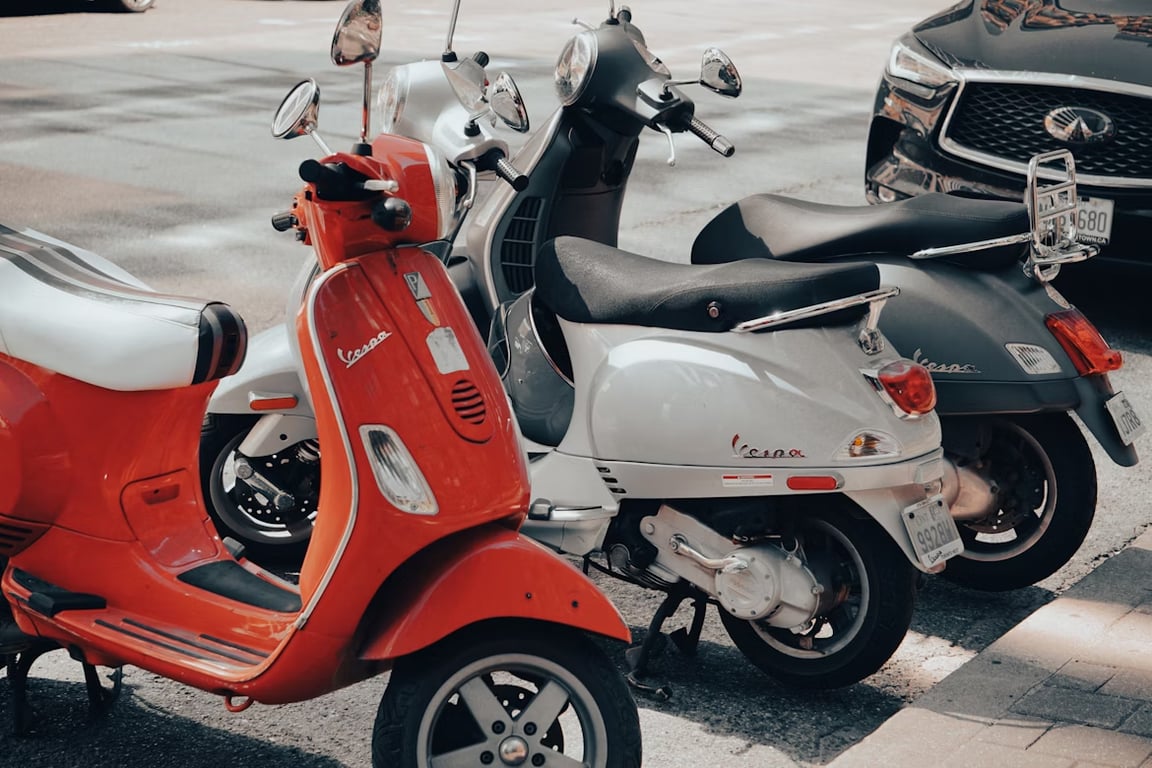 But just like with their bigger motorcycle cousins, you’re facing the big question: Do you go for that shiny, plastic-wrapped 2025 model with a full warranty, or do you hunt for a seasoned warrior on the used market?
It’s a battle of the Head vs. the Heart (and the Wallet). Let's dive in.
1. The "Factory Fresh" Fix: Buying a NEW Scooter
There’s that smell. It’s not gasoline and hot metal; it’s new plastic, fresh paint, and curing rubber. You're standing in a showroom. The odometer reads "0". This is the allure of buying new.
The Bulletproof Warranty
This is the number one, undefeated reason to buy new. For the next one, two, or even three years, any mechanical gremlin, any electrical hiccup, any weird "it-won't-start-and-I-don't-know-why" problem is not your problem. It’s the dealer's.
On a scooter—which often uses complex CVTs (Continuously Variable Transmissions) and compact, high-strung little engines—that peace of mind is worth its weight in gold.
The 2025 Tech Advantage
The days of finicky, cold-blooded, carbureted scooters are (mostly) over. When you buy new, you're getting the good stuff:
Electronic Fuel Injection (EFI): It starts every. single. time. No choke, no sputtering, no drama.
ABS Brakes: Once a premium feature, anti-lock brakes are now common on 150cc+ models, and they are a literal life-saver in a panic stop on wet pavement.
Better Power & Emissions: Modern engines are cleaner, more efficient, and more powerful than ever.
Creature Comforts: Digital dashboards, built-in USB charging ports, and LED lighting are all standard-issue now.
The Catch: The Depreciation Hit
Okay, here’s the cold water. Scooters depreciate just like motorcycles, and they depreciate fast. The second you ride that shiny new 150cc scooter off the lot, it loses 10-15% of its value. By the end of year two, it could be worth 25-30% less than what you paid.
You are paying a significant premium for that warranty and that "new" smell.
2. The Smart Money: Hunting for a USED Scooter
This is for the bargain hunters. This is for the enthusiast who loves the chase and knows a good deal when they see one . The used scooter market is where you find incredible value, if you know what to look for.
Let Someone Else Pay for It
This is the glorious flip side of depreciation. You’re letting the first owner take that 30% financial bath. You can often find a 2-3 year old, low-mileage scooter from a top-tier brand (like Honda or Yamaha) for half its original MSRP.
Your $2,000 budget, which might get you a questionable, no-name brand new, can get you a high-quality, bulletproof used Japanese or Taiwanese machine. That is, without a doubt, the smartest money move.
The "Scuff-and-Go" Lifestyle
Here's a weird bonus: you'll worry less. The first scratch on a new scooter is heart-breaking. A used scooter? It's probably already got a few "character marks" from being knocked over in a parking lot or squeezed between a car and a wall.
This is liberating. You’ll park it anywhere. You’ll use it for the grocery run you’d never take your new bike on. You will treat it like the amazing, practical tool it’s meant to be .
The Risk: You Are The Warranty
When you buy used from a private seller, the deal is "as-is." The second you hand over the cash, that 50cc basket case is your basket case.
Did the 19-year-old owner ever change the oil?
Did they try to "tune" it with a cheap exhaust and mess up the fuel-to-air ratio?
Was it left outside in the rain for three years?
You are buying the previous owner’s maintenance habits (or lack thereof). A cheap scooter can get very expensive, very fast, if you have to pay a mechanic to fix it.
3. Scooter 101: Know Your Engine Size
Not all scooters are created equal. The engine size dictates the entire experience.
50cc (The "Short Hop"):
Pros: In many US states, you don't need a motorcycle license (just a regular driver's license). They're super-light and sip gas.
Cons: They are SLOW. Top speed is around 35-40 mph. You are a speedbump on any road with a speed limit over 30.
Best For: College campuses, small-town errands, dense city centers.
Icons: Honda Ruckus, Genuine Buddy 50, Piaggio Typhoon. The Ruckus, in particular, has a massive cult following, with one of the biggest aftermarket modding scenes on the planet. Buying a used one is a ticket into a whole subculture.
125cc - 170cc (The "Sweet Spot"):
Pros: This is the best all-around choice. You get 55-65 mph top speeds, letting you keep up with all city traffic. You'll get 80-100+ MPG.
Cons: You will need a motorcycle endorsement on your license.
Best For: Urban commuting, suburban errands, and anyone who has to ride on 45+ mph roads.
Icons: Honda PCX160, Yamaha Zuma 125, Kymco Like 150i, Vespa Primavera 150.
250cc+ (The "Maxi-Scooter"):
Pros: These are full-on touring machines disguised as scooters. They are highway-capable (75+ mph), comfortable for two people, and have massive storage.
Cons: They are big, heavy, and expensive.
Best For: The "super-commuter" who needs to ride on the freeway or wants a comfortable two-up touring machine.
Icons: Suzuki Burgman (400/650), Honda ADV 350, Yamaha XMAX.
4. The Brand Battle: Why "Who Made It" Matters
Look, we love all machines , but a scooter is not just a scooter. Unlike a big cruiser, where the brand is about lifestyle, here it’s about survival.
The Japanese Titans (Honda, Yamaha, Suzuki): This is the gold standard. You're buying 50 years of engineering. They are bulletproof, reliable, and will run forever with basic maintenance. Their resale value is sky-high for a reason. A 10-year-old Honda will still fetch good money.
The European Icons (Vespa, Piaggio): You're buying style. A Vespa has a steel unibody (not plastic!), and that heritage is undeniable. You pay a premium for the name, but they hold their value incredibly well.
The Taiwanese Value Kings (Kymco, SYM, Genuine): This is the gearhead's smart-money play. These brands build excellent machines that are 9/10ths of the Japanese quality for a much lower price. They are reliable, and parts are plentiful.
The "$999 New" Trap (No-Name Chinese Brands): You see them online. Don't do it. We're serious . These are what we call "disposable" bikes. The metal is cheap, the plastic shatters, and when it breaks (not if), you won't find parts, and no reputable shop will touch it. That $999 bargain will be a $0 brick in six months.
5. The "Yeah! Motor" Used Scooter Inspection Guide
You’re going to look at a used one? Good. Don’t be a sucker. Bring a flashlight (even in the daytime) and check this stuff.
The Title (The Pass/Fail Test): Before you do anything, ask to see the title. Does the seller's name on their ID match the name on the title? Is the VIN on the title clean? If it says "Salvage," "Rebuilt," or the name doesn't match, WALK AWAY.
Plastics & Scuffs: All used scooters have scuffs. Look past them. Are the plastic panels just cracked, or are they held on with zip-ties? Major cracks and gaps mean it was crashed, not just "dropped." Look for scrapes on the very ends of the handlebars and brake levers.
The Cold Start: This is the most important test. Put your hand on the engine/exhaust. Is it cold? Good. Now, ask the seller to start it.
Fuel Injected (most 2010+): Should fire up instantly. No excuses.
Carbureted: May need a little choke or a few seconds to warm up, but it should start easily.
If it struggles, coughs, or blows blue smoke (burning oil), you're in for a bad time.
Check the "Consumables":
Tires: Check the date code (a 4-digit number like "2519"). If they're more than 5-6 years old, they're hard as rocks and unsafe, even if they have tread. Budget $150-$250 for a new set.
Oil: Pull the dipstick. Is the oil golden or dark? (Dark is okay, means it's due for a change). Is it milky? (Bad! Water/coolant). Is it gritty? (Worse! Engine bits).
Electrics: Test everything. Headlight (high and low beam), brake light (pull both front and rear levers), turn signals, and the horn.
The Test Ride:
Acceleration: Should be perfectly smooth. The CVT transmission shouldn't "lurch" or "slip."
Brakes: Do they feel strong, or mushy and weak?
Steering: Does it pull to one side? Take your hands off the bars very briefly on a flat, slow road. It should track straight.
6. The Verdict: Which Scooter is Yours?
There’s no wrong answer, only the right answer for you.
Go for a NEW scooter if:
You want that 100% factory warranty and total peace of mind.
You want the latest tech like EFI, ABS, and a USB port.
You are not mechanically inclined and want to ride, not wrench .
You have the budget and can get good financing.
Hunt for a USED scooter if:
You are on a budget. Period. This is the best value.
You want to let someone else take the 30% depreciation hit.
You are a little mechanically savvy (or willing to learn) and can follow our inspection guide.
You want a practical tool you’re not afraid to get a few scratches on.
Whether it’s a 50cc beater or a 250cc highway king, a scooter is a ticket to freedom . It’s a way to beat the traffic, beat the gas pump, and have a hell of a lot of fun doing it.
Now go get one.