Car Insurance Basics: What Every Driver Should Understand
Most U.S. drivers treat car insurance like a set-and-forget task — but it’s one of the few bills that can swing hundreds of dollars a year depending on how you manage it.
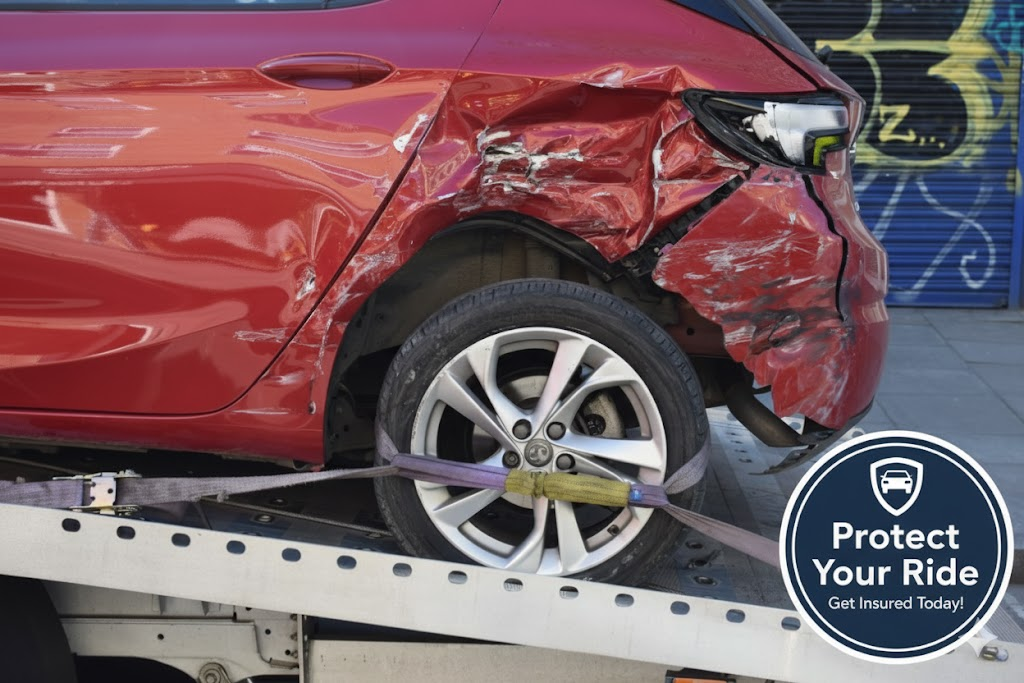 Understanding how car insurance works isn’t complicated once you break it down into three key parts:
Your coverage (what’s included and what’s optional)
Your costs (premium, deductible, and limits)
Your habits (how you drive and maintain your record)
By knowing how these factors interact, you can easily make smarter insurance decisions that lead to lower rates and better protection.
The Main Types of Car Insurance Coverage
Car insurance policies in the U.S. are built around a few core components. Knowing what each one does helps you avoid paying for extras you don’t need.
Liability Insurance
Covers injuries or damage you cause to others in an accident.
This is the only required coverage in most states. Policies have two limits:
Bodily injury (medical bills for other people)
Property damage (repairs to other vehicles or property)
Experts recommend choosing at least 100/300/100 coverage — that’s $100,000 per person, $300,000 per accident, and $100,000 property damage.
Collision Insurance
Covers damage to your own car from an accident, even if you’re at fault.
This is typically required if you’re leasing or financing your vehicle.
Comprehensive Insurance
Protects your car from non-collision events — theft, fire, vandalism, hail, falling trees, and more.
If your car is older and fully paid off, you may be able to drop comprehensive coverage to save money.
Uninsured/Underinsured Motorist Coverage
Essential if you live in states with many uninsured drivers (like Florida or Mississippi).
Covers you when the other driver can’t pay for your damages.
Personal Injury Protection (PIP) or Medical Payments
Pays for your medical expenses, regardless of fault. Required in “no-fault” states like Michigan, New York, and Florida.
How to Choose the Right Deductible
The deductible is what you pay out of pocket before insurance covers the rest.
A higher deductible (like $1,000) lowers your premium but increases your upfront cost after an accident.
A lower deductible (like $250 or $500) raises your premium but reduces out-of-pocket repair costs.
If you’re a safe driver who hasn’t had an accident in years, a higher deductible can save hundreds annually.
Smart Shopping: How to Get the Best Rate
Car insurance pricing can vary dramatically between companies — sometimes by more than 30 % for the exact same coverage.
Here’s how to find your best deal:
Compare at Least Three Quotes
Never renew automatically. Use official insurer sites or comparison tools to get multiple quotes.
Focus on total coverage value, not just the lowest number.
Bundle Policies
Combine your car and home (or renters) insurance.
Most companies offer multi-policy discounts of 10–20 %.
Ask for Discounts
Common ones include:
Safe driver discounts
Low-mileage discounts
Good student or senior savings
Loyalty or multi-vehicle discounts
Reevaluate Every 6–12 Months
Rates can change after life events — new job, new home, or improved credit. Check if you still have the best offer.
Driving Habits That Lower Your Insurance Costs
Insurance companies reward safe and consistent drivers. Here’s what you can do to keep your premiums down over time:
1. Keep a Clean Record
Avoid speeding tickets, DUIs, and at-fault accidents. Just one minor violation can raise your rate by 20 % or more.
2. Limit Claims
Avoid filing small claims under $1,000 if you can pay out of pocket. Frequent claims mark you as high-risk, even for minor damage.
3. Drive Less
If you drive fewer than 7,500 miles per year, ask about a low-mileage discount or usage-based insurance (like GEICO DriveEasy or Progressive Snapshot).
4. Use Telematics Programs
These apps track driving behavior — speed, braking, cornering, and mileage.
Good driving can earn real-time discounts up to 25 %.
When to Update or Adjust Your Coverage
Life changes quickly, and so should your policy. Review coverage when you:
Buy, sell, or lease a car
Move to a new ZIP code
Add a teen driver to your policy
Get married or divorced
Retire or start working from home (less commuting = lower risk)
Many drivers forget to update these details, missing out on potential discounts or ending up underinsured after a claim.
Common Car Insurance Mistakes to Avoid
Even experienced drivers make errors that cost them money.
Avoid these common pitfalls:
Sticking with the same insurer for years without comparison shopping
Choosing minimum liability just to save on premiums (it’s rarely enough)
Forgetting to remove coverage for a sold or old car
Ignoring telematics or loyalty rewards programs
Remember: the best drivers are proactive drivers — both on the road and with their insurance.
How Credit Affects Your Premium
Most U.S. insurers use a credit-based insurance score to estimate risk.
Maintaining good credit helps keep premiums low.
Simple tips:
Pay bills on time
Keep credit card balances below 30 % of your limit
Avoid unnecessary hard inquiries
A good credit score can reduce your insurance costs by 10–15 % in most states.
Final Thoughts: Make Your Policy Work for You
Car insurance doesn’t need to be confusing or expensive.
By understanding how coverage works, reviewing your policy regularly, and driving safely, you can easily reduce costs while staying fully protected.
Your insurance should adapt as your life and driving habits evolve. Whether you’re a new driver, a busy commuter, or a weekend road tripper, the best practice is simple: stay informed, compare often, and protect yourself wisely.