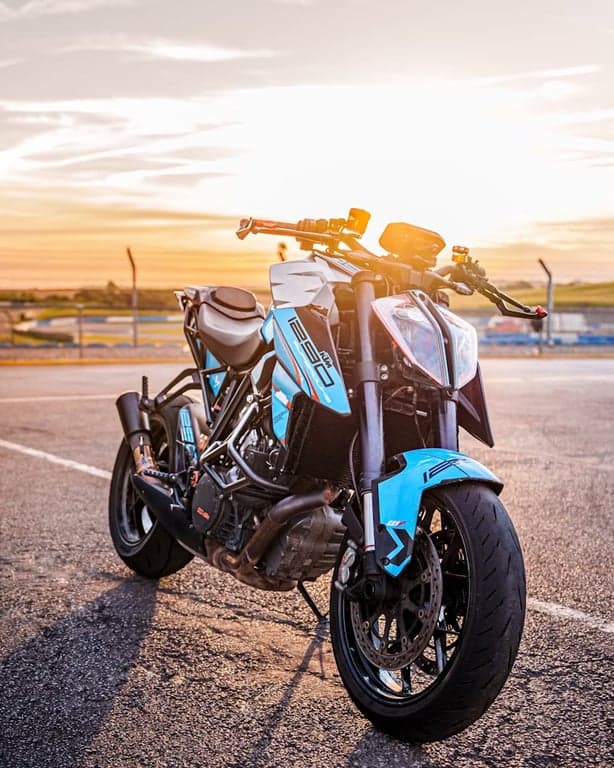
It’s a feeling that every gearhead understands. You see it. That 2025-model superbike, parked as if it just landed from another planet. It’s an impossible sculpture of carbon fiber, aerodynamic winglets, and exotic alloys, all shrink-wrapped around a monstrous engine.
You hear the sound—that high-strung, metallic roar of a 14,000-rpm redline. You read the numbers: over 200 horsepower in a machine that weighs less than most of its riders.
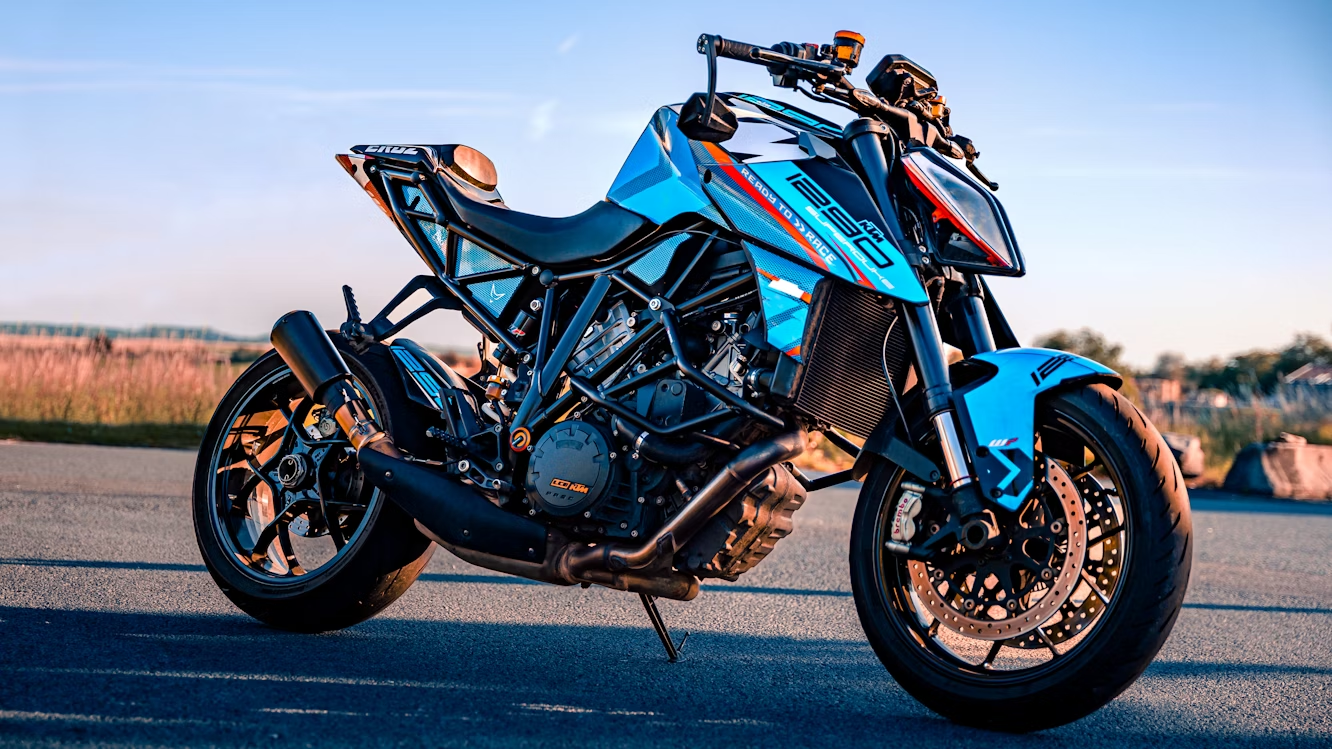 This isn’t a motorcycle. It’s a statement. It’s the pinnacle of a century of engineering, a road-legal machine that is more powerful than a high-end sports car. And you want one.
Here at Yeah! Motor, we are powered by that same passion. We celebrate the world’s most fascinating rides, and in 2025, superbikes are more fascinating than ever. Buying one is an emotional, visceral decision, and we respect that.
But that emotion is also a very expensive, and often uncomfortable, trap.
We’re not here to tell you not to buy your dream bike. We’re here to have a serene, honest conversation about what that dream really entails. Because in 2025, buying a superbike isn't just a purchase; it’s a choice between two very different, and often mutually exclusive, lifestyles: the Image versus the Experience.
The 2025 Pinnacle: Why We Dream
First, let’s be clear: these machines are engineering marvels. The sheer level of technology available to the public in 2025 is staggering. This is why we fall in love. The showrooms are lined with pure-bred fantasy.
You have the 2025 Aprilia RSV4 Factory. For a "bargain" $25,999, you get a 1,099cc V4 engine that bellows out 217 horsepower and a chassis so balanced it feels like an extension of your own nervous system. It’s the connoisseur’s choice, a bike that delivers pure, unadulterated soul.
Then there’s the 2025 Honda CBR1000RR-R Fireblade SP. Starting at $28,999, this is a 215-horsepower MotoGP missile with a single-minded focus on lap times. It’s a raw, high-revving weapon that brings a level of intensity the "Honda" name rarely implies.
Want German precision? The 2025 BMW M 1000 RR (starting at $35,945) is a 205-horsepower exercise in aerodynamic and electronic perfection. With its massive carbon winglets and M-badged components, it’s a clear statement that you bought the absolute best that data-driven engineering can produce.
And, of course, the 2025 Ducati Panigale V4 S. For around $32,000, you’re not just buying a 214-horsepower motorcycle; you're buying a 1,103cc piece of Italian art. It’s a symphony of Desmodromic valves, Öhlins smart suspension, and a sound that stops traffic.
These bikes are, without question, the baddest machines on the road.
The Great Mismatch: The Reality of the Street
Here is the calm, critical truth: all that technology, all that 200+ horsepower, is completely and utterly wasted on a public road.
Worse than wasted, it’s a compromise. Everything that makes a superbike magical at 170 mph makes it miserable at 30 mph.
The Ergonomic Question: That aggressive, "jockey" riding position isn't for show. It’s designed to aerodynamically tuck the rider at extreme speeds. On your 45-minute commute, it’s a finely tuned torture rack. Your entire upper-body weight is on your wrists. Your neck is craned back to see under your helmet. Your knees are bent at an angle that will have you limping by the time you get to the office.
The Engine Heat: A 217-horsepower V4 engine generates an incredible amount of heat. It is designed to be cooled by a 120-mph blast of wind. When you’re stuck in 25-mph traffic, that radiator fan has one job: to blow that 200-degree, engine-block-heated air directly onto your legs. It’s not just "warm"; it's "cooking you medium-rare."
The "One-Gear" Problem: A 2025 superbike can, quite literally, break every speed limit in the United States... in first gear. You will spend your entire street-riding life shifting between first and second, lugging an engine that was built to scream at 14,000 RPM. It’s the mechanical equivalent of keeping a cheetah in a studio apartment. It’s bored, it’s unhappy, and it will let you know by being clunky, jerky, and difficult at low speeds.
You’re not using the bike. You’re just its mobile display stand. You’ve bought the world’s most capable high-performance machine only to discover it’s impractical, uncomfortable, and deeply frustrating to ride.
The True Cost of Entry (After You Buy the Bike)
The "critical" part of ownership isn't just comfort; it's the staggering, ongoing cost that many enthusiasts fail to budget for.
First, the big one: Insurance. That 200+ horsepower motor is a $40,000 red flag to every insurance company. We checked the 2025 data, and the numbers are sobering. The US national average for a full-coverage policy on a standard motorcycle is about $364/year.
The 2025 average for a "Sport Bike"? $3,948 per year.
That’s not a typo. You’re looking at over $320 every single month, simply for the privilege of owning it. That’s a car payment. This single line item is the number one reason most superbikes are sold within the first 12 months.
Second, Maintenance. A superbike is a race machine, and it demands a race machine’s budget. Those ultra-sticky tires that give you MotoGP-levels of grip? They are made of a soft, fast-wearing compound. You’ll be lucky to get 2,500 miles out of a rear tire. That’s a $300-$400 replacement, maybe twice a season.
Own a European bike? That legendary performance comes with matching service costs. That famous Ducati Desmo valve-service, for example, is a complex, engine-out procedure that can run $1,500 or more. This isn't a "check the oil and go" machine; it's a high-strung thoroughbred.
The "A-ha!" Moment: Finding the Superbike's Soul
So, is it all a mistake? Is the superbike a failed concept?
Absolutely not. The problem isn't the bike. It's the venue.
The "serene" moment—the one where all the pain, all the cost, and all the compromise suddenly make perfect, crystal-clear sense—is the first time you take your bike to its natural habitat: a racetrack.
We’re not talking about professional racing. We’re talking about a "track day." A place where, for a few hundred dollars, you can ride in a group with other enthusiasts, with no speed limits, no police, no potholes, and no minivans.
The instant you roll onto that track, the superbike transforms.
That painful riding position? It’s now perfect. You feel locked in, connected, and in total control.
That brutal engine heat? It’s gone, replaced by the cool rush of 130-mph wind.
That useless first gear? You’re now using all six, hearing that 14,000-rpm howl for the first time as you blast down the front straight.
That $4,000 electronics package? It’s no longer a gimmick. It’s your safety net. You can feel the traction control gently managing wheelspin as you exit a corner, and the cornering ABS keeping you stable as you brake harder than you ever thought possible.
You will learn more about riding in one day on a track than in five years on the street. You will finally use the machine you paid for. You will finally understand what it means to pilot a 200-horsepower engineering marvel. This is the experience. This is the true dream.
The "Serene" Solution: The Happy Medium
What if you don't want to be a track-day hero? What if you truly just want that superbike soul for the street?
The 2025 market has a beautiful answer for you: the Hypernaked.
These are the "sensible" superbikes. Manufacturers like Ducati (Streetfighter V4 S), BMW (M 1000 R), and Aprilia (Tuono V4 Factory) take their flagship superbikes, remove the expensive race fairings, and replace the low-slung clip-on handlebars with a comfortable, upright handlebar. The result? You get 95% of the superbike's insane engine (the 2025 Streetfighter V4 S still packs a 205-hp punch) and all of its character, but in a package you can ride all day. Your back doesn't hurt, you can see traffic, your insurance is a little cheaper, and you are still, without question, the fastest thing on 99% of roads.
Even better, look at the new class of 2025 "Supersports." These are the real-world sweet spot. The Aprilia RS 660 (around $11,000-$13,000) gives you 100 horsepower and a full electronics suite in a lightweight, 183kg (403 lb) package. The 2025 Yamaha YZF-R7 (expected around $10,000) uses a torque-rich 72-horsepower parallel-twin engine that is an absolute blast to use on a real road. These bikes look every bit as aggressive as their bigger brothers, but their usable powerbands, comfortable ergonomics, and lower costs make them infinitely more fun, more often.
Conclusion: Buy the Dream, but Understand It
A 2025 superbike is a stunning, emotional, and powerful machine. It’s the pinnacle of what we, as gearheads, love. There is nothing wrong with wanting one.
But a serene, happy ownership experience comes from honesty. Be honest about what you’re buying.
You’re not buying a daily commuter. You’re not buying a comfortable weekend cruiser. You are buying a race-bred machine that is compromised, expensive, and frustrating everywhere except for a racetrack.
If you understand that—if you budget for the $4,000-a-year insurance, the $300 tires, and the $300 track days—you are in for the most exhilarating, life-affirming experience in all of motorsports.
Buy the dream. But buy it with your eyes open. And for the love of speed, take it to the track.